

Radiofrequency technology has become an important part of modern aesthetic treatments, particularly for skin firming, facial rejuvenation, and body care. Among the technologies attracting attention from beauty professionals is 448 kHz capacitive and resistive radiofrequency, commonly associated with the term Indiba.
For beauty clinics, medical spas, and wellness centers, understanding how CAP and RES radiofrequency work can help when choosing equipment for different treatment applications.
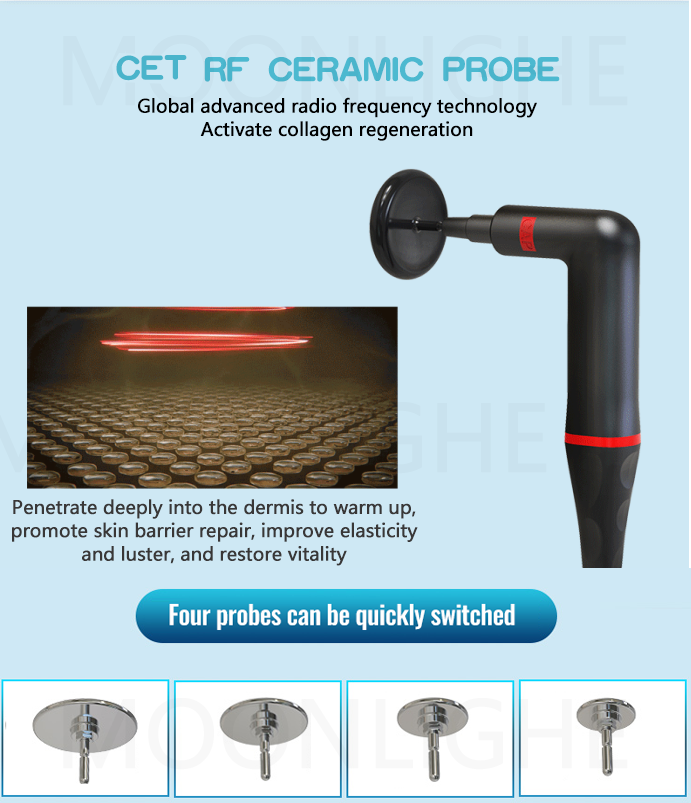
The MNLT LASER CAP/RES radiofrequency system combines two electrode technologies in one platform. Its CET ceramic RF probe is designed for capacitive energy delivery, while the RES deep-heating handpiece is intended for deeper tissue warming and body-care applications. Four interchangeable probes allow practitioners to switch between different treatment configurations.
Rather than focusing on a single treatment area, the system is designed to support facial skin conditioning, cosmetic tightening programs, body treatments, and selected wellness applications.
For businesses looking to expand their RF treatment services, understanding the differences between CAP and RES is a useful starting point.
What Is Indiba Radiofrequency Technology?
Indiba is a name widely associated with 448 kHz radiofrequency technology used in aesthetic, rehabilitation, and wellness applications.
The underlying treatment concept involves delivering high-frequency electrical energy into biological tissues through specialized electrodes.
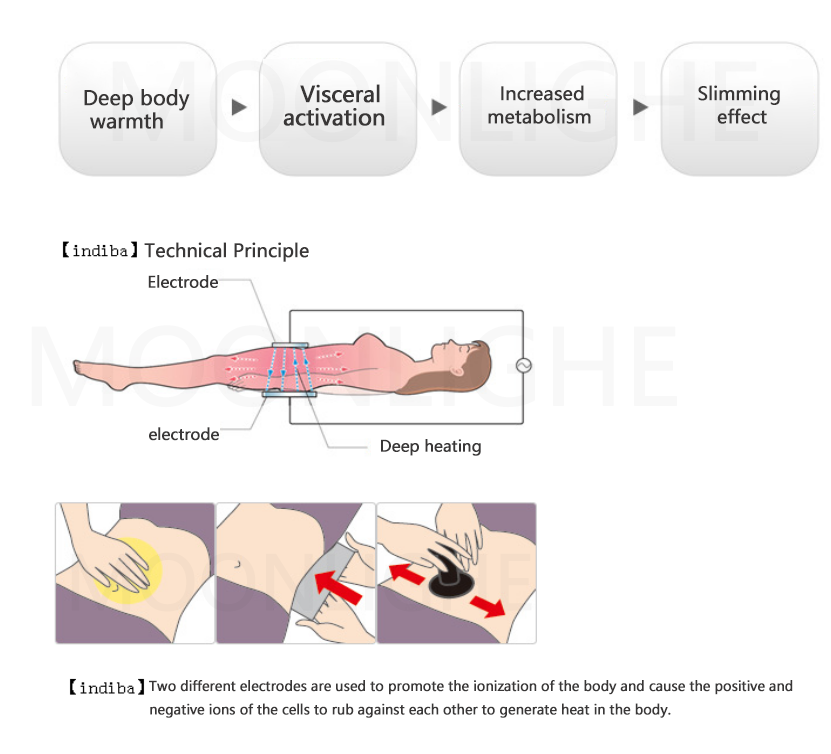
As alternating current passes through tissue, the movement and interaction of charged particles generate heat. This process is commonly described as endogenous heating because the thermal effect develops within the treated tissue rather than relying exclusively on an external heating source.
In professional aesthetic equipment, radiofrequency is used in several ways, including:
- Skin conditioning and firming
- Facial rejuvenation programs
- Cosmetic body treatments
- Tissue warming
- Selected muscle and joint comfort applications
- Treatments focused on the appearance of skin texture and elasticity
One of the defining features of CAP/RES radiofrequency is the use of two different electrode designs.
Each mode has different electrical characteristics and is selected according to the intended treatment area.
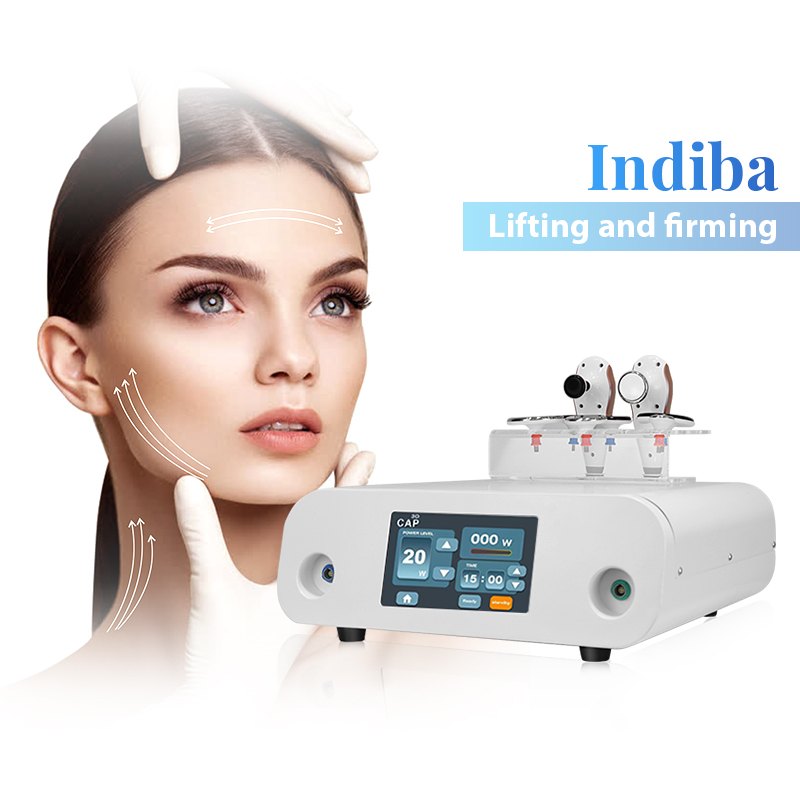
How Does 448 kHz Radiofrequency Work?
Radiofrequency energy interacts with biological tissue through an alternating electrical field.
When the current enters tissue, charged particles respond to the changing electrical field. The electrical resistance of the tissue contributes to energy conversion into heat.
This process can produce controlled warming at different tissue levels, depending on the electrode design and treatment conditions.
The general process can be understood in three stages.
1. Radiofrequency Energy Delivery
The equipment generates high-frequency alternating current and delivers it through an active treatment electrode.
The electrode is placed against the treatment area using an appropriate conductive medium where required.
2. Interaction with Tissue
The changing electrical field influences the movement and orientation of charged particles within the tissue.
The resulting electrical interactions contribute to thermal energy generation.
3. Controlled Tissue Warming
As the tissue warms, local physiological responses can occur, including changes in skin temperature and blood flow.
The degree of heating depends on several factors, including output power, electrode size, application technique, treatment duration, and tissue characteristics.
The important point is that RF performance is not determined by frequency alone. Appropriate energy delivery and temperature monitoring are equally important.
CAP vs. RES: Understanding the Two Radiofrequency Modes
The main advantage of a CAP/RES radiofrequency platform is that it provides two different electrode approaches within one system.
Although both use radiofrequency energy, their electrode structures and intended applications differ.
CAP Mode: Capacitive Radiofrequency for Skin-Focused Treatments
CAP stands for Capacitive Energy Transfer.
The capacitive electrode uses an insulating or ceramic layer as part of its electrode structure. This creates a capacitive coupling effect between the applicator and the treated tissue.
The MNLT LASER system features a CET RF Ceramic Probe designed for this type of application.
CAP technology is commonly used for treatments involving superficial and more water-rich soft tissues.
Its main aesthetic applications include:
- Facial skin conditioning
- Improving the appearance of fine lines
- Skin firmness and elasticity programs
- Cosmetic facial rejuvenation
- Skin texture improvement
- Selected body skin-tightening treatments
The objective is to deliver controlled RF energy while maintaining an appropriate treatment temperature and a comfortable surface experience.
For practitioners, CAP provides an option when working on facial areas and other treatment regions where the cosmetic focus is skin appearance.
RES Mode: Resistive Radiofrequency for Deeper Tissue Heating
RES stands for Resistive Energy Transfer.
Unlike the capacitive electrode, the resistive electrode uses a conductive treatment surface without the same insulating layer.
This changes the way electrical energy is coupled into the tissue.
RES mode is commonly selected for applications involving deeper or higher-resistance tissue structures, depending on electrode geometry and operating parameters.
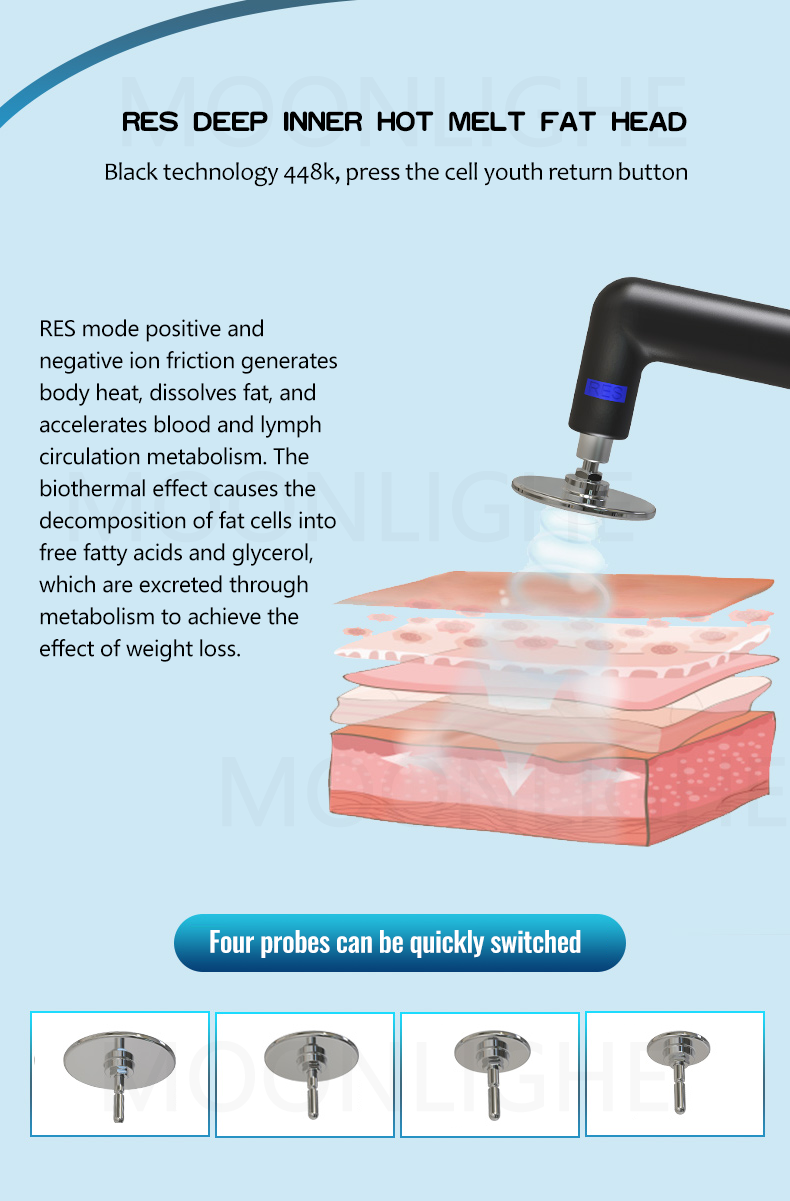
The MNLT LASER platform includes a RES Deep Inner Hot Melt Fat Head, designed for body-focused treatments.
The RES head is specified as a 448 kHz radiofrequency applicator.
Its intended applications include:
- Deep tissue warming
- Body-care treatments
- Selected areas of localized fullness
- Skin-conditioning programs
- Local circulation-related treatments
- Cosmetic body-contouring support
The deep-warming approach can be incorporated into body-care protocols where controlled thermal treatment is desired.
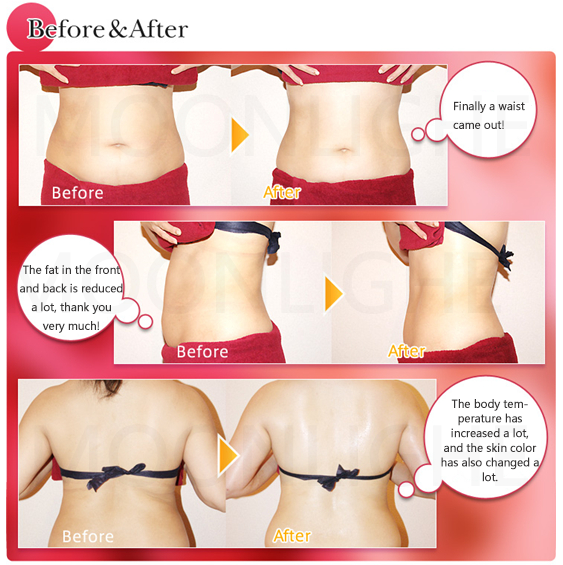
It is important to distinguish tissue warming from actual fat reduction. Radiofrequency heating should not automatically be described as melting visceral fat or permanently removing fat cells. Such outcomes require specific clinical evidence.
CAP vs. RES: A Quick Comparison
| Feature | CAP Mode | RES Mode |
|---|---|---|
| Full name | Capacitive Energy Transfer | Resistive Energy Transfer |
| Electrode design | Insulated or ceramic electrode | Conductive electrode |
| Treatment focus | Primarily superficial and water-rich tissues | Deeper tissue structures, depending on setup |
| Main application | Facial and skin-focused treatments | Body and deeper tissue warming |
| Typical services | Skin conditioning, cosmetic firming | Body care and localized thermal treatments |
| Main purpose | Controlled capacitive RF energy delivery | Controlled resistive RF energy delivery |
CAP and RES are complementary approaches rather than competing technologies.
Having both options available allows practitioners to select an electrode according to the treatment area and intended application.
Four Interchangeable RF Probes for Different Treatments
A practical feature of the MNLT LASER system is its four-probe configuration.
The probes can be switched quickly, making it easier to adapt the equipment to different treatment areas without relying on only one applicator.
The main configurations include:
CET RF Ceramic Probe
Designed for capacitive radiofrequency applications, particularly skin-focused and facial treatments.
RES Deep Heating Head
Designed for resistive radiofrequency applications and deeper body warming.
Additional CAP/RES Treatment Probes
Different electrode configurations provide flexibility when selecting treatment areas and application techniques.
The exact electrode shapes, diameters, materials, and supported modes should be confirmed according to the selected equipment configuration.
For a professional clinic, interchangeable probes offer a practical advantage: one RF platform can accommodate different treatment approaches without requiring an entirely separate machine for every application.
CAP Radiofrequency for Facial Rejuvenation and Skin Firming
Facial skin gradually changes with age, environmental exposure, and natural reductions in collagen and elastin.
These changes can affect skin firmness, elasticity, and surface appearance.
RF treatments are commonly used in cosmetic settings to deliver controlled thermal energy to selected skin tissues.
The MNLT LASER CAP system is designed for facial applications focused on skin conditioning and cosmetic rejuvenation.
Supporting Collagen-Related Skin Processes
Collagen is one of the main structural proteins responsible for skin firmness and support.
Controlled thermal energy is used in certain RF protocols to create a thermal response in the skin.
At appropriate treatment conditions, RF heating can influence collagen structure and stimulate biological responses associated with tissue remodeling.
Cosmetic applications may focus on:
- Improving the appearance of fine lines
- Supporting skin firmness
- Enhancing the appearance of skin elasticity
- Improving uneven skin texture
- Promoting a smoother-looking complexion
- Facial rejuvenation programs
Actual outcomes depend on the RF output, treatment parameters, electrode design, skin condition, and individual response.
Facial Skin Conditioning
The CAP ceramic electrode provides an option for practitioners who want to incorporate controlled RF warming into facial treatments.
Depending on the treatment protocol, CAP may be combined with an existing skincare routine or other compatible aesthetic services.
The system is also positioned for selected cosmetic applications involving the neck and décolletage.
For professional use, correct electrode contact, conductive media, energy settings, and treatment temperature are important considerations.
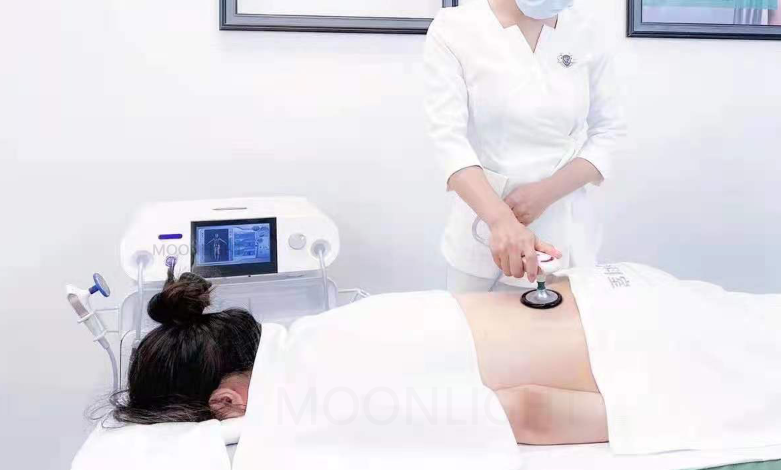
RES Radiofrequency for Body Treatments
Body-care treatments often involve larger areas and different tissue characteristics than facial procedures.
The RES Deep Inner Heating Head is designed for these applications.
Its resistive electrode technology is intended to provide controlled RF heating for deeper tissue regions.
Deep Tissue Warming
RES mode delivers RF energy through its conductive electrode.
The resulting thermal response can be incorporated into selected body-care protocols.
This makes it relevant to businesses offering localized body treatments and wellness services.
Supporting Local Circulation
A 2018 randomized crossover study published in Electromagnetic Biology and Medicine examined 448 kHz capacitive-resistive radiofrequency in 17 healthy volunteers.
The researchers observed increased skin temperature with both high- and low-dose RF conditions. A significant and sustained increase in measured skin blood flow was observed in the high-dose condition.
For professional body-care applications, the distinction between measured physiological responses and claimed clinical outcomes is important.
More Than Skin Care: Potential Applications in Wellness and Body Management
The versatility of CAP/RES technology makes it relevant to several types of professional services.
Depending on the electrode configuration and approved device applications, RF treatments may be incorporated into:
Body Conditioning
Controlled tissue warming as part of cosmetic body-care programs.
Muscle Comfort
Selected warming applications intended to complement muscle relaxation and wellness routines.
Local Tissue Care
RF-based thermal treatments for selected areas where controlled warming is appropriate.
Skin Firmness Programs
Cosmetic treatments targeting the appearance of skin elasticity and texture.
Facial and Body Maintenance
A combination of CAP and RES treatments can support different service categories within one professional equipment platform.
How Does RF Heating Differ from Traditional External Heating?
One common question among beauty professionals is whether radiofrequency treatment is simply another form of heat therapy.
The difference lies in how the energy is delivered.
| Feature | External Heating | CAP/RES Radiofrequency |
|---|---|---|
| Energy delivery | Heat transferred from an external source | High-frequency electrical energy |
| Heating process | Primarily surface-to-tissue transfer | Electrical energy converted into heat within tissue |
| Electrode technology | Not required | CAP or RES electrode |
| Application control | Depends on heating device | RF output and electrode technique |
| Treatment flexibility | Depends on device design | Different modes and electrode configurations |
RF devices provide a different way to generate tissue warmth.
However, more intense heating does not automatically mean better results. Safe treatment depends on suitable parameters, appropriate electrode contact, and temperature management.
Why Consider a CAP/RES RF System for Your Beauty Business?
For clinic owners and equipment distributors, the value of an RF platform comes from the range of services it can support and how easily it fits into daily operations.
The MNLT LASER CAP/RES system offers several practical considerations.
Two Treatment Approaches in One Platform
CAP and RES allow practitioners to select different electrode technologies for facial and body applications.
Four Quickly Interchangeable Probes
The multiple-probe configuration makes it easier to switch treatment approaches and organize different service types.
Broader Service Potential
The system can be positioned for facial rejuvenation, skin-conditioning, and selected body-care treatments.
Professional Treatment Flexibility
Different electrode configurations allow practitioners to adapt the application to the selected treatment area.
Opportunities for Service Expansion
For salons and medical spas, adding CAP/RES radiofrequency can create another treatment category alongside existing facial and body services.
Why Choose MNLT LASER?
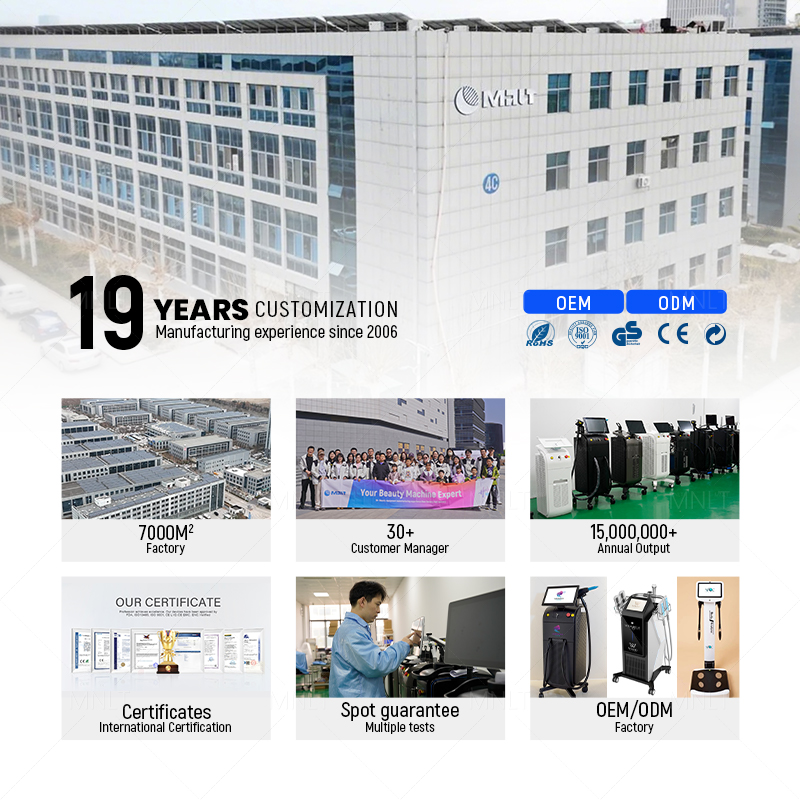
Shandong Moonlight Electronic Technology Co., Ltd. is headquartered in Weifang, China, known as the World Kite Capital.
With 18 years of experience in the professional beauty equipment industry, the company focuses on research, development, production, sales, and service for international beauty businesses.
Its business and support capabilities include:
- Internationally standardized dust-free production facilities
- OEM/ODM customization options
- Free logo design for eligible projects
- ISO, CE, and FDA-related certifications and documentation, subject to verification of the specific product and certificate scope
- Two-year warranty, subject to applicable terms
- 24-hour after-sales support
- Product testing before shipment
- Technical assistance and operating guidance
For distributors and clinic owners, selecting equipment is a long-term business decision.
Reliable technical support, clear product specifications, and access to replacement accessories can make a significant difference after installation.
MNLT LASER works with international buyers seeking professional aesthetic equipment and customized product solutions.
How to Choose the Right Indiba-Style CAP/RES Radiofrequency Equipment
When searching for Indiba radiofrequency technology or a comparable CAP/RES RF machine, it is worth looking beyond the frequency specification.
Two machines may use similar radiofrequency principles but have different output performance, electrode construction, and operating characteristics.
Before placing an order, consider the following:
1. Confirm the Operating Frequency
The supplied specifications identify 448 kHz for the RES application. Confirm the operating frequency of the complete RF generator and whether the CAP mode uses the same frequency.
2. Check RF Output Power
Ask for the rated output power, adjustable energy range, operating modes, and measurement conditions.
3. Review Electrode Construction
Check the ceramic insulation of the CAP probe, the conductive structure of the RES electrode, electrode dimensions, and compatible accessories.
4. Understand Temperature Management
Ask how skin and tissue temperature are controlled during treatment and whether temperature monitoring is integrated into the system.
5. Request a Demonstration
A product demonstration can help you understand how the CAP and RES modes work, how the four probes are switched, and how the system is operated during an actual treatment workflow.
6. Verify Certifications and Intended Use
Request documentation for the exact model and confirm its suitability for your target market. Do not assume that another brand’s regulatory approvals apply to a different RF device.

Frequently Asked Questions About Indiba and CAP/RES Radiofrequency
1. What is Indiba radiofrequency?
INDIBA is a commercial brand associated with radiofrequency technology operating at 448 kHz. Its technology uses capacitive and resistive electrode modes to deliver RF energy into tissue. The term is also commonly encountered by buyers researching CAP/RES radiofrequency equipment, but it is not a generic name for every RF system.
2. What is the difference between CAP and RES radiofrequency?
CAP uses a capacitive electrode with an insulating layer and is commonly selected for more superficial, water-rich tissue applications. RES uses a conductive electrode and is commonly used for deeper tissue-heating applications. The actual energy distribution depends on electrode design, power, and treatment technique.
3. What is the purpose of the 448 kHz frequency?
The 448 kHz frequency is used in a particular category of capacitive-resistive radiofrequency systems. Research has examined its effects on tissue temperature and skin blood flow. The physiological and clinical responses depend on treatment dose and device configuration.
4. Can CAP radiofrequency help improve skin firmness?
CAP radiofrequency is used in cosmetic skin-conditioning and firming programs. Controlled RF heating may influence collagen-related tissue responses, but results depend on the equipment, treatment protocol, and individual skin condition. No specific degree of tightening or wrinkle reduction should be guaranteed.
5. What is the RES Deep Heating Head used for?
The RES head is designed for resistive RF energy delivery and deeper tissue-warming applications. It can be used in selected body-care and wellness treatments. It should not be described as directly melting visceral fat or permanently removing fat cells without supporting evidence.
6. How many treatment probes does the system have?
The described configuration includes four interchangeable probes, including the CET RF Ceramic Probe and the RES Deep Heating Head. The exact shapes and individual applications of all four probes should be confirmed in the selected product configuration.
7. Can the CAP/RES RF machine be used for facial and body treatments?
Yes. The system is positioned for both facial and body applications. CAP is primarily associated with skin-focused treatments, while RES is intended for deeper tissue warming and body-care applications. The appropriate electrode and protocol depend on the treatment area.
8. Is Indiba radiofrequency the same as traditional RF skin tightening?
Both use radiofrequency energy, but different systems can operate at different frequencies and use different electrode designs and output characteristics. A CAP/RES platform should be evaluated according to its own specifications rather than assuming that all RF devices have the same performance.
9. Is this machine an original INDIBA device?
No INDIBA affiliation or authorization is implied here. The equipment discussed is a separate CAP/RES radiofrequency system associated with MNLT LASER. INDIBA is a distinct commercial brand. Buyers seeking genuine INDIBA products should purchase through its authorized channels.
10. Can I customize the machine with my own logo?
MNLT LASER offers OEM/ODM customization options and logo design services for eligible projects. Buyers can discuss branding, product configuration, packaging, and order requirements when requesting a quotation.
Request a Quote for CAP/RES Radiofrequency Equipment
If you are researching Indiba radiofrequency technology or comparing professional CAP/RES systems for your clinic, understanding the electrode configuration and actual RF specifications is the best place to start.
The MNLT LASER CAP/RES platform combines a CET RF Ceramic Probe, a RES Deep Heating Head, and four interchangeable treatment probes for selected facial and body applications.
Whether you operate a beauty salon, medical spa, aesthetic clinic, wellness center, or equipment distribution business, the system offers an additional RF treatment option worth evaluating.
Contact MNLT LASER to request:
- Complete CAP/RES radiofrequency specifications
- 448 kHz operating frequency confirmation
- CAP and RES electrode details
- RF output power and adjustable parameter information
- Four-probe configuration and accessory list
- OEM/ODM and private-label customization
- Wholesale pricing and shipping information
- Warranty and after-sales support details
When sending your inquiry, include your country, company name, business type, intended treatment applications, and estimated order quantity. This will help the sales team prepare a quotation that matches your requirements.
Looking for a professional CAP/RES radiofrequency machine for your beauty business? Contact MNLT LASER today to explore available configurations and request a personalized quotation.
Post time: Nov-18-2026


