

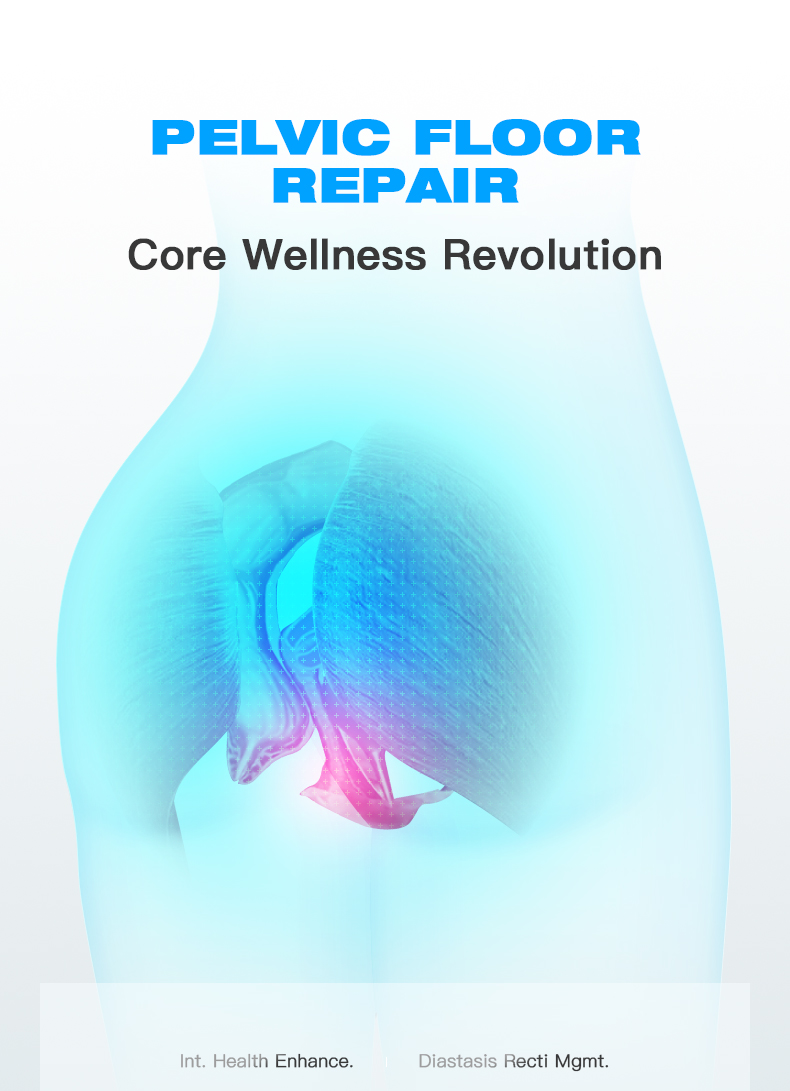
Pelvic floor health is becoming an increasingly important part of the wellness and aesthetic care industry. From postpartum recovery programs to specialized pelvic health services, more professional clinics are looking for non-invasive technologies that make pelvic floor muscle training easier to access and more convenient for clients.
The Magnetic Chair offers a different approach to pelvic floor conditioning. Using high-intensity focused electromagnetic stimulation (HIFEM), the system is designed to activate pelvic floor muscles through controlled electromagnetic pulses while the user remains comfortably seated.
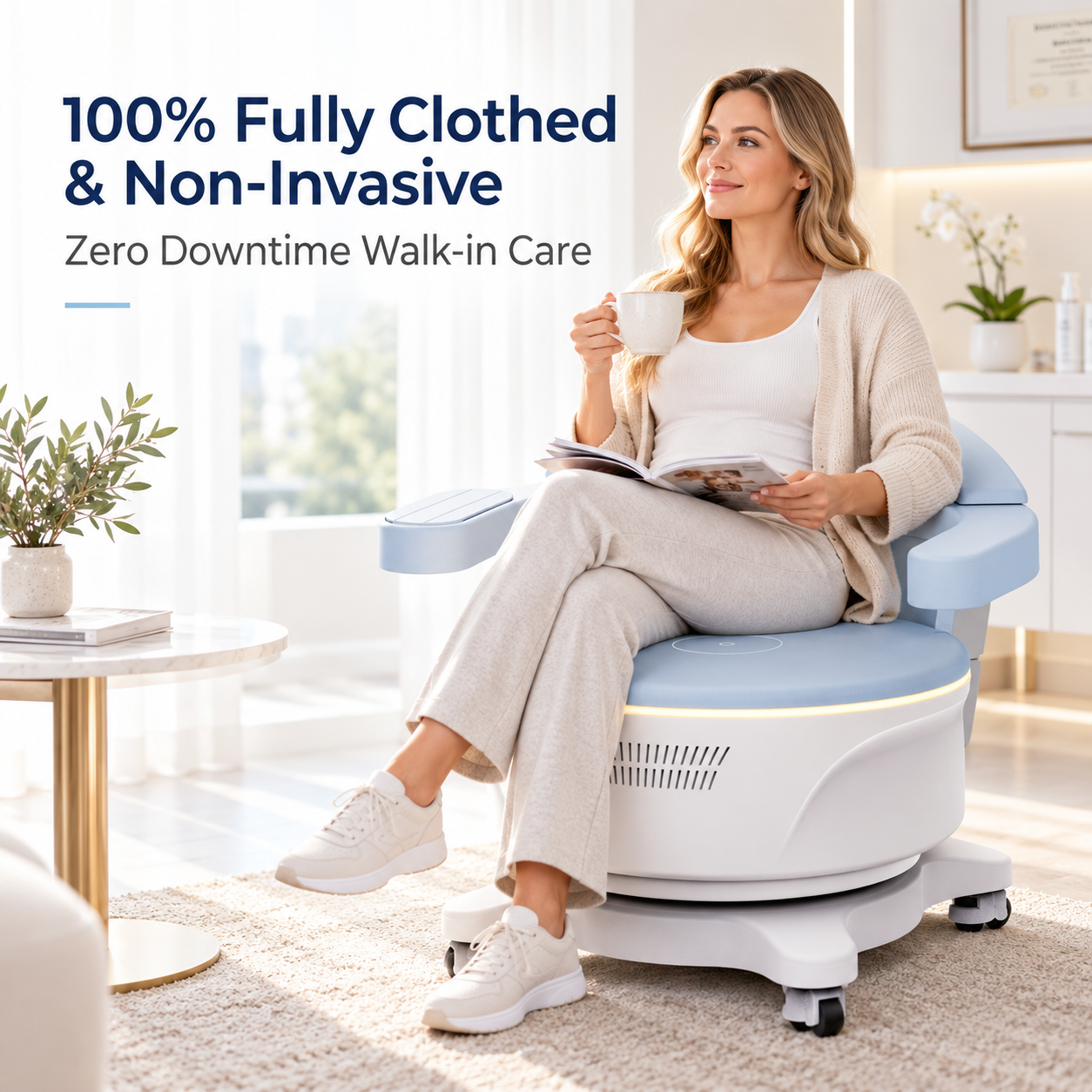
There is no internal probe, no electrode placement, and no need to remove clothing during a session. This contact-free treatment approach can make the experience more approachable for people who feel uncomfortable with conventional internal stimulation methods.
With adjustable magnetic field intensity, dedicated male and female operating modes, and a 30-minute treatment program, the MNLT LASER Magnetic Chair is designed for postpartum recovery centers, pelvic health facilities, wellness clinics, and professional aesthetic businesses.
What Is a Magnetic Chair?
A Magnetic Chair is a professional pelvic floor stimulation system that uses electromagnetic energy to activate targeted muscle groups.
Unlike conventional pelvic floor exercises, which rely on users voluntarily contracting and relaxing their muscles, the chair delivers electromagnetic pulses externally.
These pulses stimulate motor nerves, triggering repeated muscle contractions in the pelvic floor area.
The user simply sits on the specially designed chair while the system delivers the programmed stimulation.
The main concept behind the treatment is to provide a structured, non-contact approach to pelvic floor muscle conditioning.
The Magnetic Chair is designed for both men and women, with separate operating templates and adjustable settings to accommodate different training requirements.
Its intended application areas include:
- Pelvic floor muscle conditioning
- Postpartum wellness programs
- Women’s pelvic health management
- Male pelvic floor muscle training
- Muscle relaxation and strengthening programs
- Intimate wellness services
For clinics, the contact-free design provides an additional option for customers who prefer not to use internal probes or conventional electrode-based devices.
How Does HIFEM Technology Work?
HIFEM stands for High-Intensity Focused Electromagnetic stimulation.
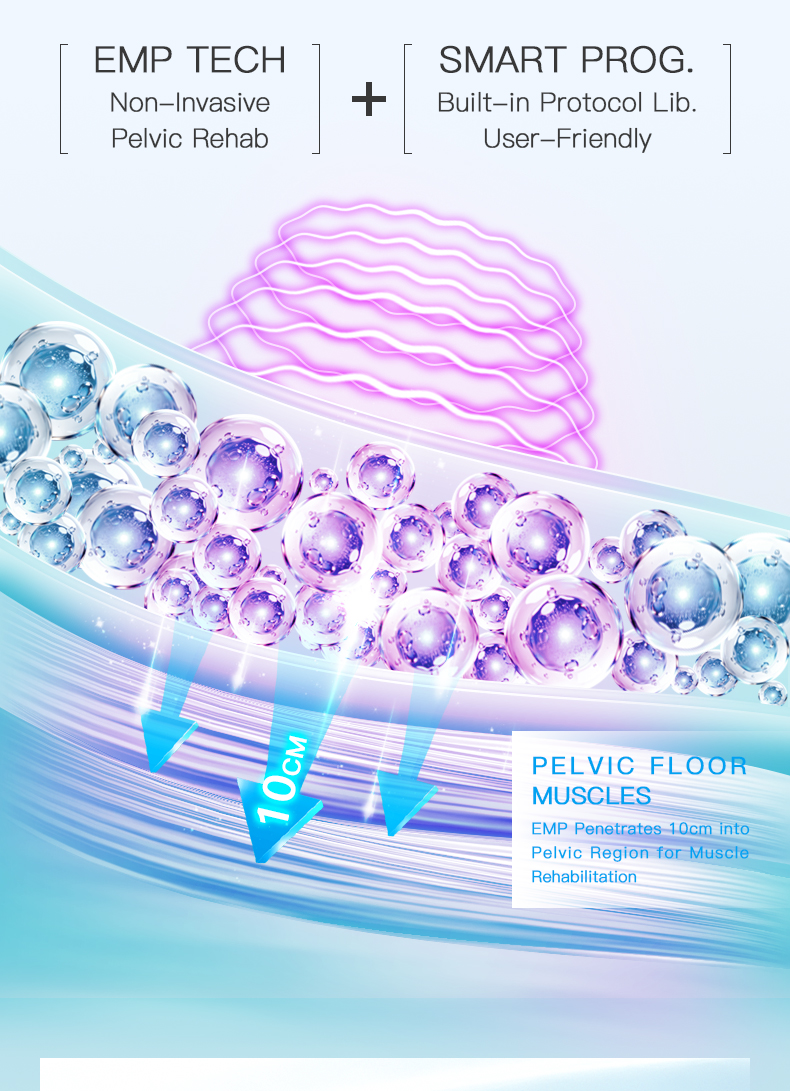
The technology uses electromagnetic fields to stimulate the motor nerves responsible for activating muscles.
When the magnetic pulses reach the targeted pelvic floor region, they induce repeated involuntary muscle contractions.
These contractions are different from ordinary voluntary movements because the muscle activity is generated through external electromagnetic stimulation rather than consciously initiated exercise.
1. Electromagnetic Energy Delivery
The Magnetic Chair generates pulsed electromagnetic fields through its specially designed treatment structure.
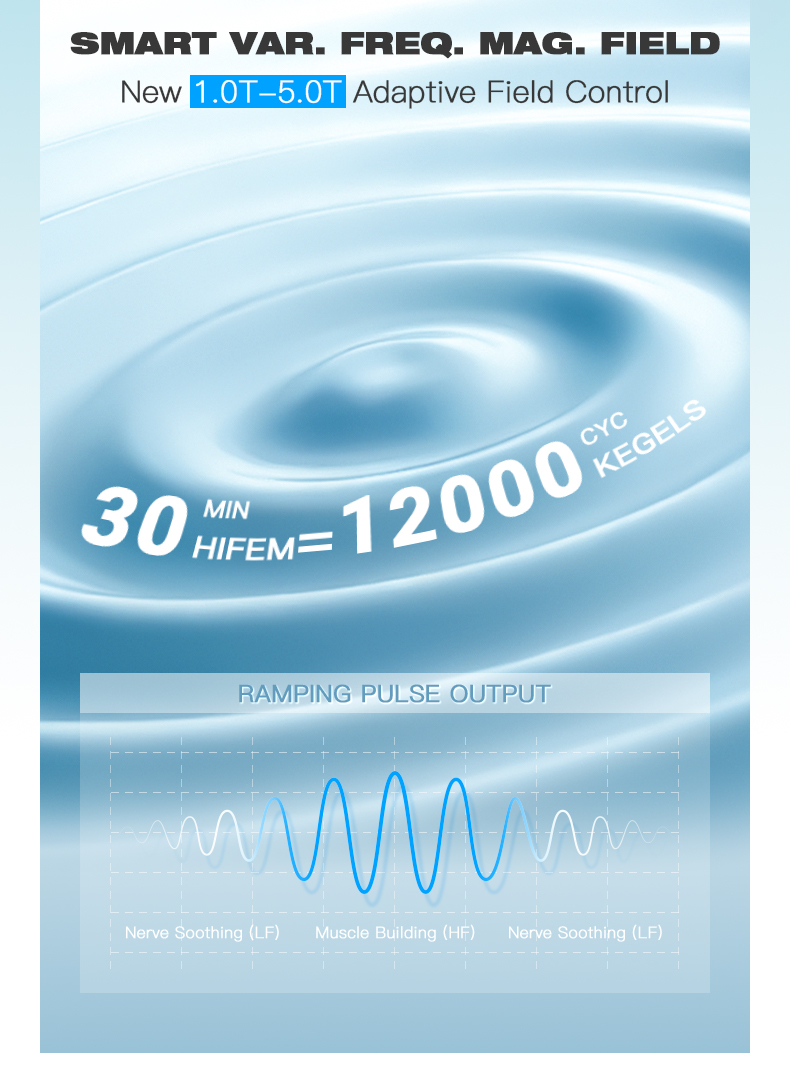
The system features an adjustable magnetic field range of 1.0T to 5.0T, allowing the operator to select the intensity according to the selected program and individual assessment.
2. Motor Nerve Stimulation
The electromagnetic pulses stimulate motor nerves in the pelvic floor region.
This triggers muscle contractions without requiring the user to consciously perform each movement.
3. Repeated Muscle Activation
During the programmed session, the pelvic floor muscles undergo repeated cycles of stimulation and relaxation.
The objective is to support muscle activation, strength, and conditioning over a structured treatment program.
4. Pelvic Floor Training Support
Regular and appropriately supervised pelvic floor training can help improve muscle strength, endurance, and coordination.
The Magnetic Chair provides an additional technology-assisted training option that may be incorporated into a broader pelvic health program.
The actual response varies between individuals and depends on the device settings, treatment schedule, baseline muscle condition, and professional assessment.
Key Technical Specifications of the Magnetic Chair
For clinics and equipment distributors, understanding the machine’s technical configuration is an important part of selecting the right equipment.
| Specification | Technical Details |
|---|---|
| Technology | HIFEM / Electromagnetic Pulse Stimulation |
| Magnetic Field Strength | 1.0T–5.0T, adjustable |
| Rated Power | 1200W |
| Stated Penetration Depth | Up to 10cm |
| Standard Session Duration | 30 minutes |
| Training Modes | Low-Frequency LF / High-Frequency HF |
| Operating Templates | Male and Female Modes |
| Parameter Settings | Adjustable frequency and functions |
| Cooling System | Intelligent temperature control and air cooling |
| Safety Protection | High-temperature protection system |
| Structure | Integrated steel frame |
| Seating Material | Premium vegan leather |
| User Interface | Intelligent touchscreen |
| Mobility | Universal caster wheels |
The 1.0T–5.0T magnetic field range and up-to-10cm penetration specification are equipment ratings and should be confirmed through the final technical test documentation. Actual field distribution and stimulation depth depend on the system design and operating conditions.
Adjustable 1.0T–5.0T Magnetic Field
One of the main features of the Magnetic Chair is its adjustable magnetic field intensity.
The system offers a stated range of 1.0T to 5.0T, allowing operators to select different stimulation levels for different training programs.
This flexibility is useful because pelvic floor training requirements are not identical for every individual.
Some clients may begin with lower-intensity programs, while others may follow more advanced muscle-conditioning settings under professional supervision.
The machine is designed to provide a range of adjustable options rather than relying on one fixed output level.
For equipment buyers, magnetic field strength is an important technical specification, but it should not be considered a direct measure of clinical effectiveness.
The pulse waveform, frequency, field distribution, applicator design, and treatment protocol also influence actual stimulation performance.
Two Training Modes: Low-Frequency and High-Frequency Programs
The Magnetic Chair includes two main operating modes designed around different training objectives.
LF Mode: Low-Frequency Training
The low-frequency mode is positioned for gentler stimulation and nerve-related relaxation programs.
It can be incorporated into pelvic floor wellness routines where controlled, lower-frequency stimulation is preferred.
HF Mode: High-Frequency Training
The high-frequency mode is designed for more intensive muscle stimulation and conditioning programs.
It provides another option for users following a muscle-strengthening training plan.
Male and Female Preset Programs
The system includes separate male and female operating templates.
This makes it easier for professional operators to select a relevant starting program rather than manually configuring every setting from the beginning.
Frequency and other available parameters can also be adjusted according to the device’s operating instructions and the individual’s needs.
The availability of gender-specific presets does not mean that every user requires a completely different treatment protocol. Proper assessment remains essential.
A 30-Minute Session Without Internal Probes
One of the most recognizable features of the Magnetic Chair is its contact-free treatment experience.
Traditional pelvic floor stimulation methods may involve internal probes or surface electrodes, depending on the equipment and clinical approach.
The Magnetic Chair uses an external electromagnetic stimulation system instead.
Users remain fully clothed and sit on the specially designed seat during the treatment.
There is no internal applicator insertion and no need for direct electrode contact.
What Happens During a Session?
A typical session follows a straightforward workflow:
Step 1: Initial Assessment
The operator reviews the client’s needs, relevant health information, and suitability for electromagnetic stimulation.
Step 2: Comfortable Positioning
The client sits on the chair in a comfortable position, with the pelvic floor area aligned according to the device instructions.
Step 3: Program Selection
The operator selects the appropriate male or female program and chooses the relevant LF or HF mode.
Step 4: Magnetic Stimulation
The device delivers the programmed electromagnetic pulses, producing repeated pelvic floor muscle contractions.
Step 5: Session Completion
After the 30-minute session, the client can leave the treatment area without the equipment-related recovery period associated with invasive procedures.
The absence of internal probes and clothing removal can make this format more convenient for many clients. Individual comfort and treatment suitability still need to be assessed.
Magnetic Chair vs. Traditional Pelvic Floor Training
Different pelvic floor training methods have different strengths and applications.
| Comparison | Magnetic Chair | Traditional Kegel Exercises | Internal Electrical Stimulation |
|---|---|---|---|
| Stimulation method | External electromagnetic pulses | Voluntary muscle contractions | Electrical stimulation through an internal probe |
| Clothing | Remains on | Remains on | Usually requires access for probe placement |
| Internal probe | Not required | Not required | Generally required |
| Muscle activation | Externally stimulated | Voluntary activation | Electrically stimulated |
| Operator involvement | Program selection and monitoring | Coaching and exercise guidance | Probe placement and parameter adjustment |
| Session format | Typically 30 minutes | Repeated daily exercise | Depends on device and protocol |
| Main application | Pelvic floor conditioning | Pelvic floor strength and coordination | Selected pelvic floor stimulation applications |
It is worth noting that a magnetic chair is not automatically superior to traditional pelvic floor exercises.
Clinical guidelines continue to recommend supervised pelvic floor muscle training as a first-line approach for women with stress or mixed urinary incontinence. Magnetic stimulation may be considered as an additional option in appropriate settings, rather than a universal replacement for conventional rehabilitation.
Applications for Women’s Pelvic Health
Pelvic floor muscles play an important role in bladder control, pelvic organ support, and sexual function.
Pregnancy, childbirth, aging, hormonal changes, and other factors can influence pelvic floor muscle function.
The Magnetic Chair is designed to support women’s pelvic floor conditioning through non-contact electromagnetic stimulation.
1. Postpartum Pelvic Floor Conditioning
After childbirth, some women experience changes in pelvic floor muscle strength and coordination.
A structured postpartum recovery program may include pelvic floor assessment, guided exercises, and other appropriate rehabilitation approaches.
The Magnetic Chair provides an additional stimulation option that can be considered as part of a professionally supervised program when the individual is medically suitable.
Postpartum treatment should begin only after appropriate assessment and clearance. The timing depends on the delivery experience, healing process, and individual recovery.
2. Pelvic Floor Muscle Strengthening
The pelvic floor muscles contribute to bladder control and pelvic support.
Repeated muscle stimulation is intended to support muscle activation and conditioning.
For clients who have difficulty performing voluntary contractions correctly, externally delivered stimulation may provide an additional training approach.
3. Stress Urinary Incontinence Support
Stress urinary incontinence refers to urine leakage during activities that increase abdominal pressure, such as coughing, sneezing, or exercising.
Pelvic floor muscle weakness can be one contributing factor.
The Magnetic Chair is positioned for pelvic floor conditioning programs that may complement appropriate continence management.
It should not be advertised as a guaranteed cure for urinary incontinence. Individuals experiencing persistent leakage should receive an appropriate clinical assessment.
4. Intimate Wellness and Pelvic Health
The condition of the pelvic floor can influence several aspects of intimate wellness.
The system is designed to support pelvic floor muscle conditioning, which may be relevant to broader women’s wellness services.
Claims concerning sexual sensitivity, vaginal lubrication, tissue restoration, or increased intimate satisfaction require separate clinical evidence and should not be promised to every client.
Applications for Men’s Pelvic Floor Health
Pelvic floor training is not exclusively a women’s health concern.
Men also rely on pelvic floor muscles for bladder control, pelvic stability, and aspects of sexual function.
The Magnetic Chair includes male-specific operating templates to support male pelvic floor muscle conditioning.
Potential service categories include:
- Male pelvic floor muscle training
- Pelvic muscle conditioning
- Selected pelvic wellness programs
- Post-treatment pelvic rehabilitation support, where clinically appropriate
The device may be incorporated into male wellness programs where pelvic floor muscle activation is part of the overall service plan.
It is important to distinguish pelvic floor muscle training from prostate disease treatment. The Magnetic Chair should not be represented as a treatment for prostatitis, benign prostatic enlargement, prostate cancer, or other prostate disorders without appropriate clinical authorization and evidence.
Intelligent Temperature Control and Air-Cooling Protection
For a professional electromagnetic stimulation system, stable equipment operation is essential.
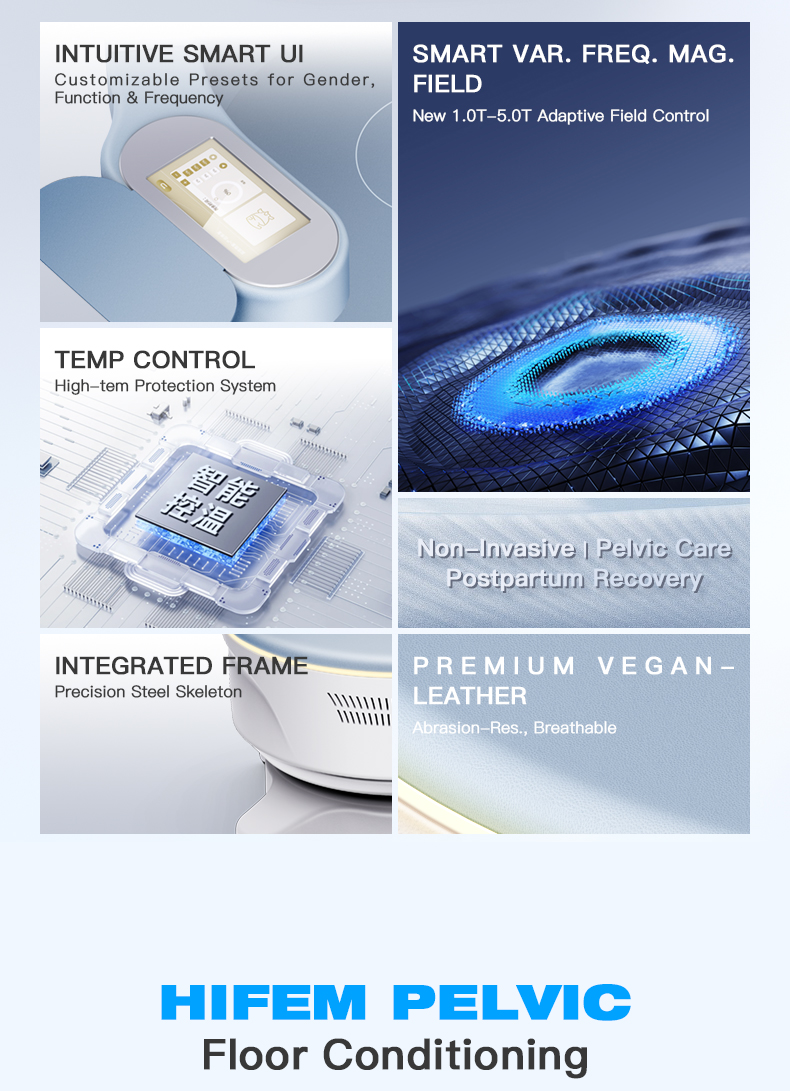
The Magnetic Chair incorporates an intelligent temperature-control chip and an air-cooling system designed to manage operating temperatures during use.
The protection architecture includes:
- Intelligent temperature monitoring
- Automatic temperature-control management
- High-temperature protection
- Air-cooling heat dissipation
- Continuous operating stability management
The system has undergone a stated 72-hour full-load test.
This testing detail can be useful when evaluating equipment reliability, although a full-load test does not replace long-term durability testing or routine maintenance.
For clinics planning frequent daily use, temperature management and documented operating limits are important purchasing considerations.
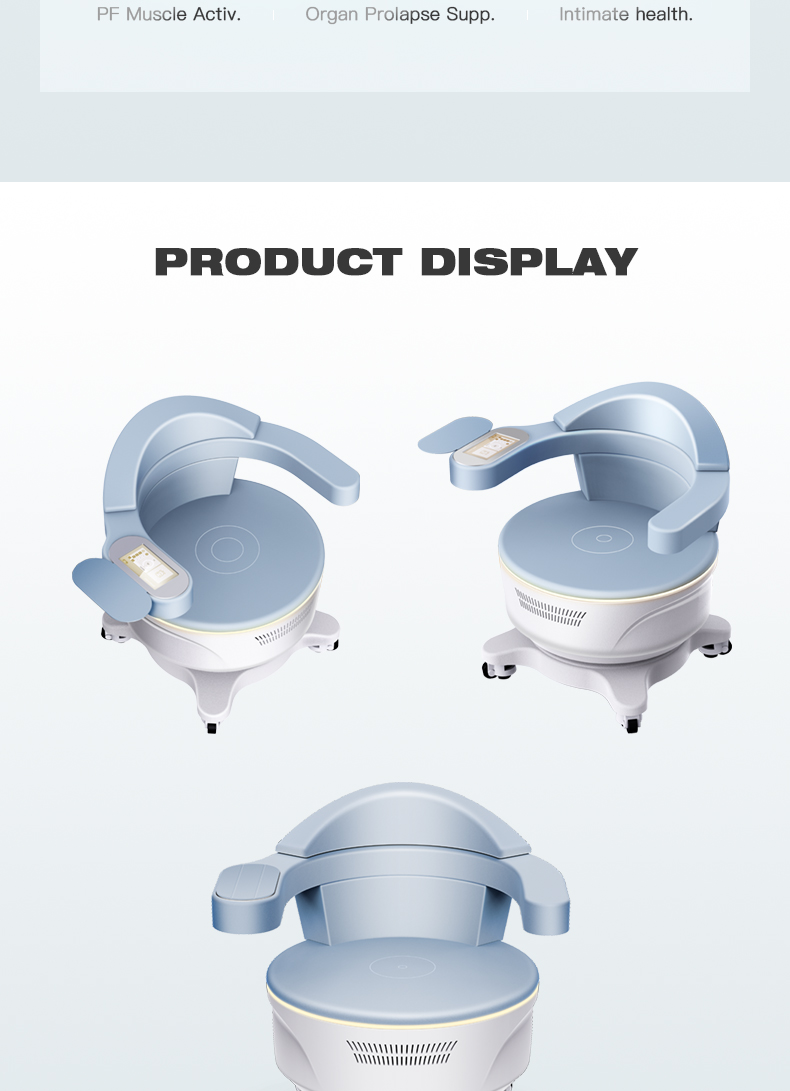
Ergonomic Steel Frame and Comfortable Seating Design
A pelvic floor treatment chair needs to be practical, stable, and comfortable.
The Magnetic Chair features an integrated precision steel frame designed to provide structural support.
Its construction is intended for professional environments where equipment is used regularly throughout the day.
Premium Vegan Leather Upholstery
The seat is finished with premium vegan leather in a taupe color.
The material is selected for its appearance, wear resistance, and ease of cleaning, making it suitable for professional wellness and treatment environments.
Universal Caster Wheels
The chair includes universal caster wheels to make positioning and relocation more convenient.
This can be useful for clinics that need to reorganize their treatment rooms or move equipment between service areas.
Designed Around the Human Body
The chair’s seating structure is intended to provide comfortable support during a 30-minute treatment session.
The contact-free configuration also avoids the need for internal probes or direct electrode placement.
For businesses, the combination of ergonomics and simple positioning can help create a more approachable treatment experience.
Smart Touchscreen for Easier Operation
The intelligent touchscreen interface is designed to simplify daily operation.
Through the control interface, operators can access:
- Male and female operating modes
- LF and HF training programs
- Magnetic field intensity adjustment
- Frequency and function settings
- Treatment program selection
The intuitive interface makes it easier to switch between different presets and organize treatment sessions.
This can be particularly useful for postpartum centers and wellness clinics where several staff members may operate the same equipment.
Why Is the Magnetic Chair Relevant to Modern Wellness Businesses?
For business owners, introducing a new treatment category is about more than purchasing another piece of equipment.
It is about identifying services that fit the needs of the target market and can be integrated into existing operations.
The Magnetic Chair may provide opportunities for several types of professional businesses.
Postpartum Recovery Centers
The chair can be evaluated as an additional pelvic floor conditioning option within appropriately supervised postpartum wellness programs.
Women’s Wellness Clinics
The non-contact format may appeal to clients looking for a private and comfortable approach to pelvic floor training.
Pelvic Health and Rehabilitation Facilities
Healthcare professionals may evaluate electromagnetic stimulation as a complementary modality within a broader rehabilitation plan, subject to the device’s intended use and local regulations.
Medical Spas and Intimate Wellness Centers
The male and female treatment templates allow businesses to develop different pelvic wellness service categories.
Beauty Equipment Distributors
The combination of HIFEM technology, adjustable magnetic field intensity, and gender-specific presets provides several technical features for professional product presentations.
Why Choose MNLT LASER?
Shandong Moonlight Electronic Technology Co., Ltd. is headquartered in Weifang, China, known as the World Kite Capital.
With 18 years of experience in the professional beauty equipment industry, the company specializes in research, development, production, sales, and after-sales service for international customers.
Its business capabilities include:
- Internationally standardized dust-free production facilities
- OEM/ODM customization options
- Free logo design for eligible projects
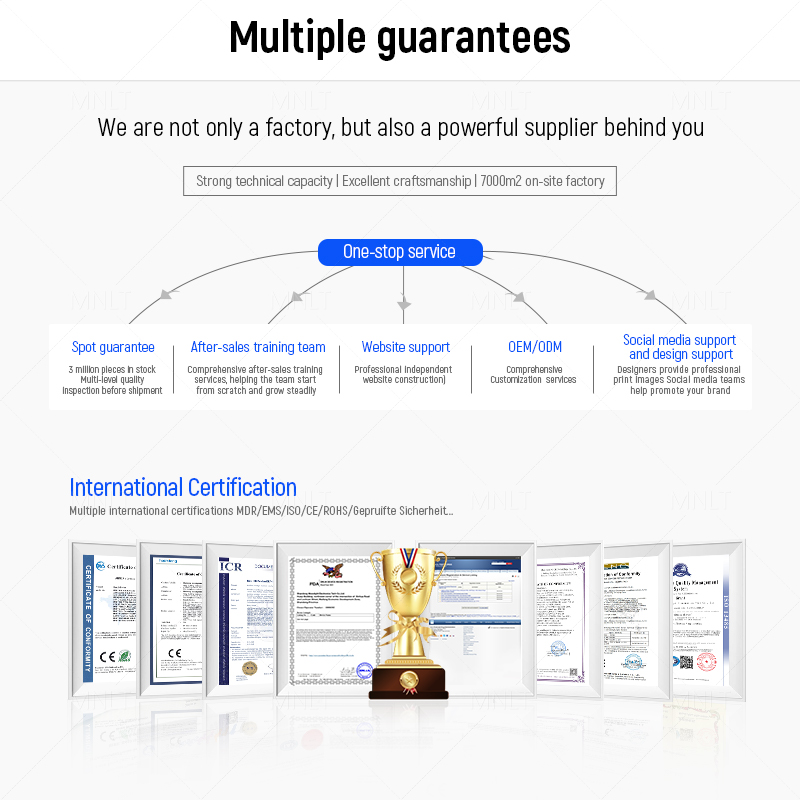
- ISO, CE, and FDA-related certifications and documentation, subject to verification of the specific product and certificate scope
- Two-year warranty, subject to applicable terms
- 24-hour after-sales support
- Product testing before shipment
- Installation and operating guidance
For international buyers, choosing equipment also means choosing a long-term service partner.
Technical documentation, product consistency, warranty coverage, and access to after-sales assistance all deserve attention before placing an order.
What Should You Consider Before Purchasing a Magnetic Chair?
Before choosing a pelvic floor magnetic stimulation chair, it is worth reviewing several practical details.
Magnetic Field Output
Confirm the stated 1.0T–5.0T operating range and request the corresponding test documentation. Ask how the magnetic field is measured and whether the stated value refers to peak output or another measurement.
Treatment Programs
Check whether male and female presets are included and how LF and HF modes differ in their actual operating parameters.
Cooling and Safety
Request information about temperature monitoring, overheat protection, cooling performance, and the conditions of the 72-hour full-load test.
User Comfort
Review the seat dimensions, upholstery, seating position, and ease of cleaning.
Regulatory Documentation
Confirm the exact product classification, intended use, and applicable regulatory documentation for your target country.
After-Sales Support
Ask about installation, training, warranty coverage, spare-part availability, and technical support arrangements.
These details can help you assess whether the equipment fits your clinic’s operational needs.

Frequently Asked Questions About the Magnetic Chair
1. What is a Magnetic Chair used for?
A Magnetic Chair is designed to deliver external electromagnetic stimulation to pelvic floor muscles. Its intended applications include pelvic floor muscle conditioning, postpartum wellness programs, and male and female pelvic health services, subject to the device’s approved uses and professional assessment.
2. How does HIFEM technology work?
HIFEM uses high-intensity electromagnetic pulses to stimulate motor nerves, triggering repeated muscle contractions. The Magnetic Chair delivers this stimulation externally while the user remains seated.
3. What is the magnetic field strength of this chair?
The system offers an adjustable magnetic field range of 1.0T to 5.0T. The actual stimulation experience depends on several factors, including field distribution, pulse characteristics, frequency, and treatment settings.
4. How long does one treatment session take?
A standard programmed session lasts approximately 30 minutes. The appropriate treatment schedule and number of sessions should be determined according to the individual’s assessment and the operating instructions.
5. Do users need to remove their clothes?
No internal probe or direct electrode placement is required. Users remain clothed while sitting on the chair, following the positioning instructions provided for the equipment.
6. Is the Magnetic Chair suitable for both men and women?
Yes. The system includes separate male and female operating templates. Treatment programs can be selected and adjusted according to the intended application and individual requirements.
7. Can the Magnetic Chair help with postpartum recovery?
It may be considered as an additional pelvic floor conditioning option within an appropriately supervised postpartum recovery program. Treatment timing and suitability should be assessed by a qualified professional, particularly during the early recovery period following childbirth.
8. Can it treat urinary incontinence or pelvic organ prolapse?
The Magnetic Chair is designed for pelvic floor muscle stimulation, which may be relevant to certain pelvic health programs. However, urinary incontinence and pelvic organ prolapse are medical conditions that require appropriate assessment. The chair should not be marketed as a guaranteed treatment or substitute for established clinical management.
Request a Quote for the Magnetic Chair
As pelvic health and postpartum wellness services continue to develop, professional businesses are exploring additional ways to support pelvic floor muscle training and client comfort.
The MNLT LASER Magnetic Chair combines HIFEM electromagnetic stimulation, adjustable 1.0T–5.0T magnetic field intensity, male and female operating presets, and a contact-free seating design.
Whether you operate a postpartum recovery center, pelvic health clinic, women’s wellness facility, medical spa, or international equipment distribution business, this system is worth evaluating for your service portfolio.
Contact MNLT LASER to request:
- Complete Magnetic Chair technical specifications
- Magnetic field output and testing documentation
- Male and female treatment program details
- LF and HF mode parameters
- Safety and cooling system information
- OEM/ODM and private-label customization
- Wholesale pricing and shipping options
- Warranty and after-sales service details
When sending your inquiry, include your country, company name, business type, intended applications, and estimated order quantity. This will help the team prepare a quotation that better matches your requirements.
Looking for a professional HIFEM Magnetic Chair for your pelvic wellness business? Contact MNLT LASER today to discuss available configurations and request your personalized quotation.
Post time: Nov-17-2026


