

Light-based wellness technology is becoming an increasingly familiar part of modern beauty, fitness, and recovery environments. From professional skincare studios to fitness centers and wellness facilities, more businesses are exploring ways to incorporate red and near-infrared light into their existing services.
Among these technologies, the Red Light Therapy Panel has attracted attention for its use of photobiomodulation (PBM), a non-invasive approach that uses specific wavelengths of light to interact with biological tissues.
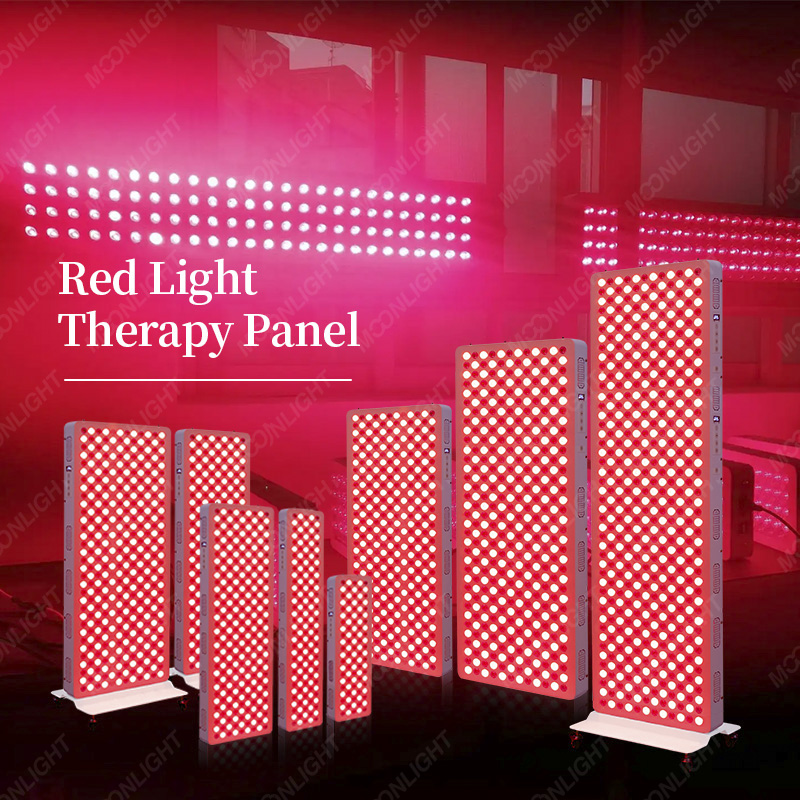
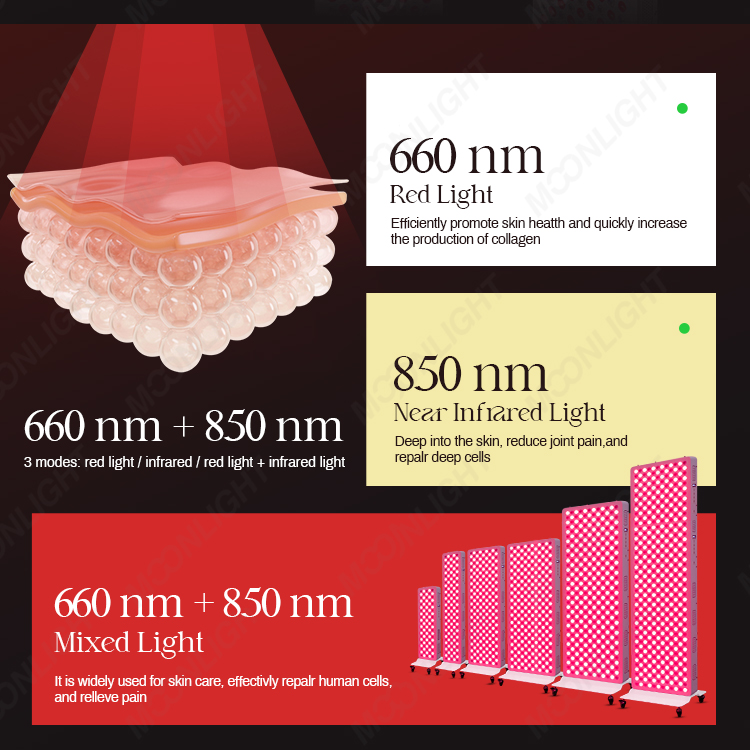
Combining visible red light at approximately 660nm with near-infrared light at approximately 850nm, a professional red light therapy panel is designed to deliver targeted light exposure across selected areas of the body.
For businesses looking to expand their wellness equipment range, red light therapy offers an opportunity to introduce a technology that connects skincare, post-exercise recovery, and general wellness applications.
The MNLT LASER Red Light Therapy Panel range focuses on red and near-infrared wavelengths, providing equipment options for professional beauty businesses, wellness centers, fitness facilities, and other light therapy applications.
What Is Red Light Therapy?
Red light therapy (RLT), also known as photobiomodulation, is a non-invasive light-based approach that uses specific wavelengths of visible red and near-infrared light.
Unlike ultraviolet light, which is associated with skin damage from excessive sun exposure, red light therapy works within a different part of the electromagnetic spectrum.
Two commonly used wavelengths in red light therapy systems are:
- 660nm Red Light: Visible red light, commonly used in skin-focused photobiomodulation applications.
- 850nm Near-Infrared Light: A wavelength outside the visible spectrum, used in applications targeting deeper tissue regions.
These wavelengths interact with biological tissues in different ways. When used at appropriate light doses, they can influence cellular signaling pathways associated with energy production and tissue responses.
For professional users, the appeal of red light therapy is its ability to deliver light without relying on high-temperature heating or invasive procedures.
How Does a Red Light Therapy Panel Work?
The science behind red light therapy is closely connected to the way cells produce and use energy.
Inside our cells are mitochondria, often described as the energy centers of the cell. They produce adenosine triphosphate (ATP), the main energy-carrying molecule used in cellular processes.
Photobiomodulation research suggests that certain red and near-infrared wavelengths can interact with cellular chromophores, including components associated with mitochondrial function.
One proposed mechanism involves cytochrome c oxidase, an enzyme involved in the mitochondrial respiratory chain.
The process is generally described in three stages.
1. Light Absorption
When red or near-infrared light reaches the target tissue, certain cellular molecules absorb part of the incoming light energy.
Different wavelengths have different absorption characteristics, which is one reason why red and near-infrared light are often combined in the same device.
2. Cellular Signaling
Light absorption may influence mitochondrial activity and several cellular signaling pathways.
Research has explored how photobiomodulation may affect ATP production, oxidative signaling, nitric oxide availability, and other processes involved in normal cell function.
The exact mechanisms remain an active area of research and can vary according to wavelength, dose, and tissue type.
3. Cellular Response
Depending on the application and treatment parameters, photobiomodulation may influence processes associated with skin condition, tissue recovery, and cellular activity.
This is why red light therapy has been investigated in several areas, including dermatology, exercise recovery, and selected clinical applications.
The important point is that more light does not automatically mean better results. Wavelength, irradiance, exposure time, energy density, and treatment frequency all influence the delivered dose.
660nm Red Light vs. 850nm Near-Infrared Light
The combination of red and near-infrared wavelengths is one of the main considerations when choosing a professional Red Light Therapy Panel.
Although both are used in photobiomodulation, they have different optical characteristics and application considerations.
| Feature | 660nm Red Light | 850nm Near-Infrared Light |
|---|---|---|
| Light type | Visible red light | Invisible near-infrared light |
| Main application focus | Skin-focused applications | Deeper tissue-focused applications |
| Typical interest | Skin appearance and photobiomodulation | Muscle and tissue-related photobiomodulation |
| Visual appearance | Visible red glow | Usually not visible to the naked eye |
| Common use | Skin care and wellness | Recovery and wellness applications |
660nm Red Light for Skin Care
The 660nm wavelength is commonly used in red light therapy devices designed for skin-related applications.
Research into this wavelength has focused on its potential interaction with cellular processes involved in skin maintenance and repair.
Professional skincare applications may include:
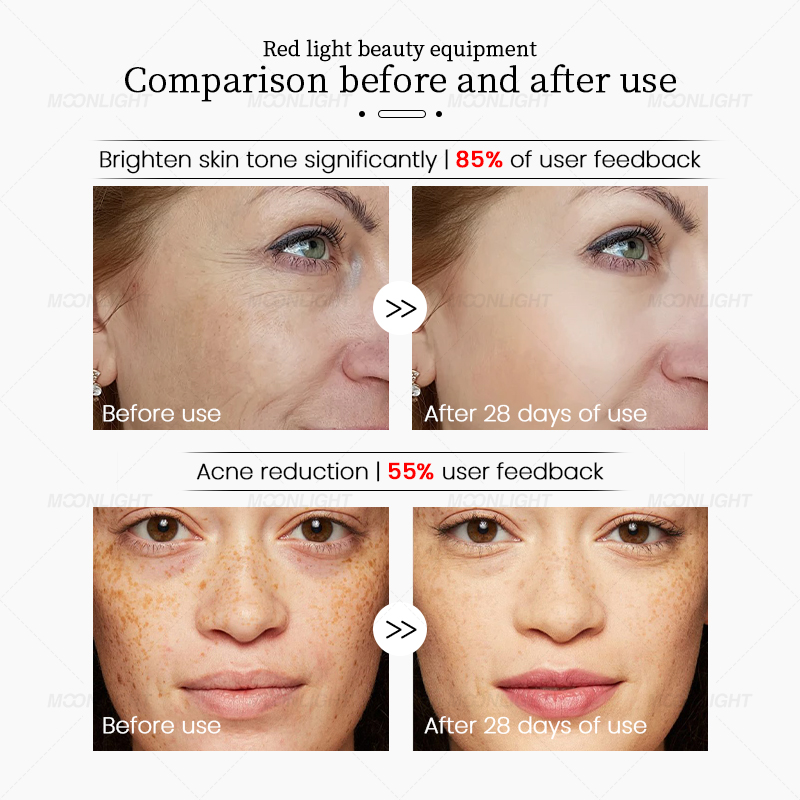
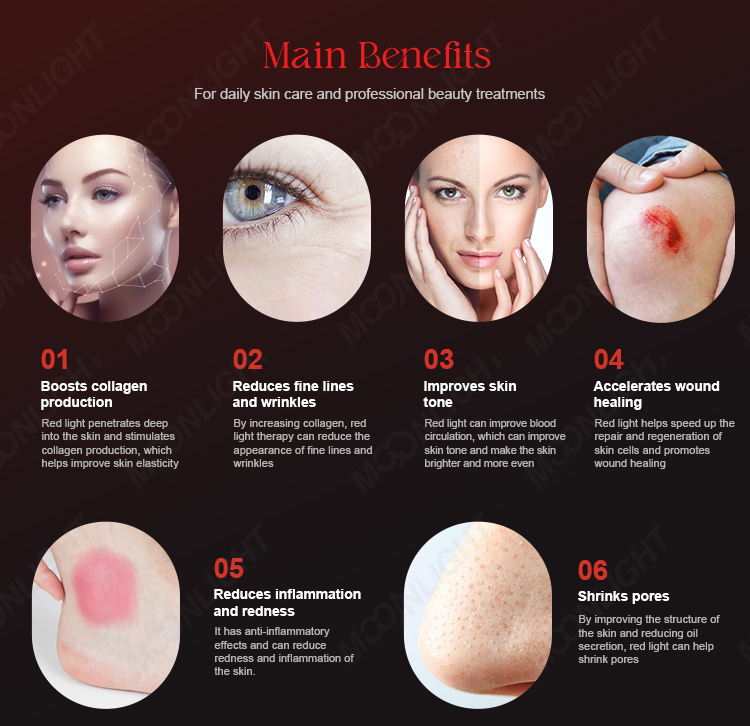
- Supporting a more balanced skin appearance
- Improving the appearance of fine lines
- Supporting collagen-related skin processes
- Improving the appearance of uneven skin texture
- Complementing skincare and rejuvenation programs
Collagen is an important structural protein that contributes to skin firmness and elasticity.
Photobiomodulation research has explored its influence on fibroblast activity and collagen-related processes. Actual cosmetic results depend on the treatment protocol, device performance, and individual skin characteristics.
850nm Near-Infrared Light for Deeper Applications
Near-infrared light at approximately 850nm is outside the visible spectrum and has different tissue absorption and scattering characteristics from red light.
It is commonly included in red and near-infrared photobiomodulation systems intended for applications involving muscles and other deeper tissue regions.
Areas of research include:
- Post-exercise muscle recovery
- Muscle soreness management
- Supporting tissue recovery processes
- Localized wellness applications
- Photobiomodulation-related cellular responses
A 2025 systematic review and meta-analysis examined photomodulation for delayed-onset muscle soreness. It included 14 studies, with some pooled results suggesting improvements in soreness and muscle strength at selected follow-up times. However, the available evidence does not mean every red light panel will produce the same results. Device parameters and treatment protocols matter.
For fitness and wellness businesses, the combination of 660nm and 850nm provides an additional option when considering light-based recovery services.
What Can Red Light Therapy Be Used For?
Red light therapy has been studied across a range of health and cosmetic applications. The level of supporting evidence differs considerably between conditions, and results should not be treated as guaranteed.
For professional beauty and wellness businesses, several application areas are particularly relevant.
1. Skin Rejuvenation and Collagen-Related Applications
Skin appearance is one of the most familiar areas associated with red light therapy.
As skin ages, changes in collagen structure, elasticity, and surface texture can contribute to visible fine lines and wrinkles.
Photobiomodulation has been investigated for its potential effects on cellular activity associated with collagen production and tissue repair.
In professional skincare settings, red light therapy may be incorporated into cosmetic wellness programs focused on:
- Fine-line appearance
- Uneven skin texture
- Dull-looking skin
- General skin maintenance
- Collagen-related skincare routines
For skincare studios, this provides an additional non-invasive service option that can complement existing facial and skin management programs.
2. Acne-Prone Skin and Skin Appearance
Red light has also been investigated in light-based skincare applications involving acne-related skin concerns.
Its potential role has been studied in relation to inflammatory responses and skin repair.
However, red light should not be confused with blue light therapy, which targets different mechanisms associated with acne-related bacteria.
For businesses considering a Red Light Therapy Panel for acne-related services, it is important to distinguish between cosmetic skin maintenance and medical acne treatment.
The product’s specific wavelength configuration should be matched to the intended application.
3. Muscle Recovery After Exercise
Exercise places physical demands on muscles and connective tissues.
For athletes and people who train regularly, muscle soreness and recovery time can affect their training schedules.
Photobiomodulation has been explored as a complementary recovery approach.
A 2025 systematic review reported potential benefits in selected measures of delayed-onset muscle soreness and muscle strength following photomodulation. However, study protocols varied, and additional research is needed to establish standardized treatment approaches.
This makes red and near-infrared light particularly interesting for:
- Fitness centers
- Sports recovery facilities
- Personal training studios
- Wellness centers
- Recovery-focused businesses
4. General Wellness and Relaxation
Many wellness businesses are expanding beyond conventional beauty services.
Red light therapy panels can be incorporated into broader wellness environments where customers are interested in non-invasive light-based sessions.
The experience may complement existing wellness routines, although claims about treating sleep disorders, anxiety, depression, or systemic disease should not be made without appropriate clinical evidence and regulatory authorization.
5. Hair and Scalp-Related Research
Red light and low-level light therapy have also been investigated in relation to hair growth, particularly certain forms of hair loss.
However, the effect depends on the wavelength, dose, delivery method, and treatment protocol.
A general-purpose red light panel should not automatically be presented as an established treatment for hair loss. Businesses interested in this application should confirm that the exact device has supporting evidence and the appropriate regulatory status.
Why Choose a Combined Red and Near-Infrared Panel?
Some light therapy devices focus on a single wavelength, while others combine several wavelength bands.
A panel featuring both 660nm red light and 850nm near-infrared light gives users access to two commonly studied photobiomodulation wavelengths within one system.
There are several practical reasons why this combination is attractive.
Different Optical Characteristics
The two wavelengths interact with biological tissues differently, providing more flexibility than relying on a single light band.
Broader Application Potential
The combination supports the development of skin-focused and recovery-oriented wellness programs.
Large-Area Light Delivery
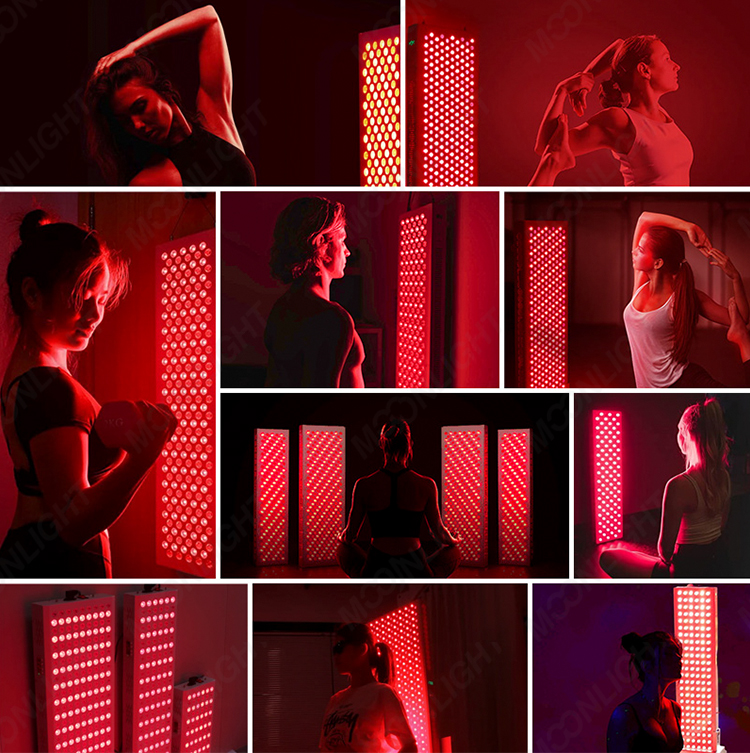
Panel-style equipment is designed to deliver light over a broader area than many handheld devices, depending on the panel dimensions and LED arrangement.
Non-Contact Treatment
LED panel systems can generally be positioned near the target area without requiring direct contact with the skin, subject to the device’s intended operating method.
Flexible Business Integration
A panel can be incorporated into existing skincare, wellness, or sports recovery environments without necessarily replacing other services.
Choosing the Right Red Light Therapy Panel: What Should Buyers Check?
Not all Red Light Therapy Panels are the same.
Two devices may both list 660nm and 850nm wavelengths while delivering very different levels of light output.
For professional buyers, looking beyond the wavelength labels is essential.
1. Wavelength Accuracy
Check the actual wavelength specifications rather than relying solely on broad descriptions such as red light or infrared light.
For the configuration discussed here, the key wavelength combination is approximately 660nm and 850nm.
Ask whether the output has been independently measured and whether the wavelength tolerance is documented.
2. Irradiance and Measurement Distance
Irradiance describes the amount of optical power delivered per unit area, commonly expressed in mW/cm².
This is one of the most important values when comparing panel performance.
However, irradiance changes with measurement distance and measurement method.
Buyers should ask for:
- Irradiance at a specified distance
- Measurement equipment and method
- Whether the value is measured at the panel center or across the full treatment area
- Separate measurements for red and near-infrared wavelengths, where available
A high advertised irradiance figure is not meaningful without a clearly stated measurement distance and test method.
3. Energy Density and Treatment Time
Energy density, commonly expressed in J/cm², describes the amount of energy delivered over a specified area.
It is influenced by irradiance and exposure time.
For professional applications, the treatment protocol should be based on the actual output of the device rather than assuming that longer sessions or higher intensity will always produce better results.
4. LED Quantity and Light Distribution
The number of LEDs alone does not determine treatment performance.
The LED arrangement, beam angle, wavelength consistency, and distribution of light across the panel are also important.
A well-designed panel should provide clearly documented output characteristics across its intended treatment area.
5. Cooling and Operating Stability
For high-output panel configurations, thermal management is worth checking.
Buyers should ask about:
- Cooling method
- Heat dissipation design
- Recommended operating duration
- Continuous operating conditions
- Maintenance requirements
These factors can influence equipment reliability and day-to-day usability.
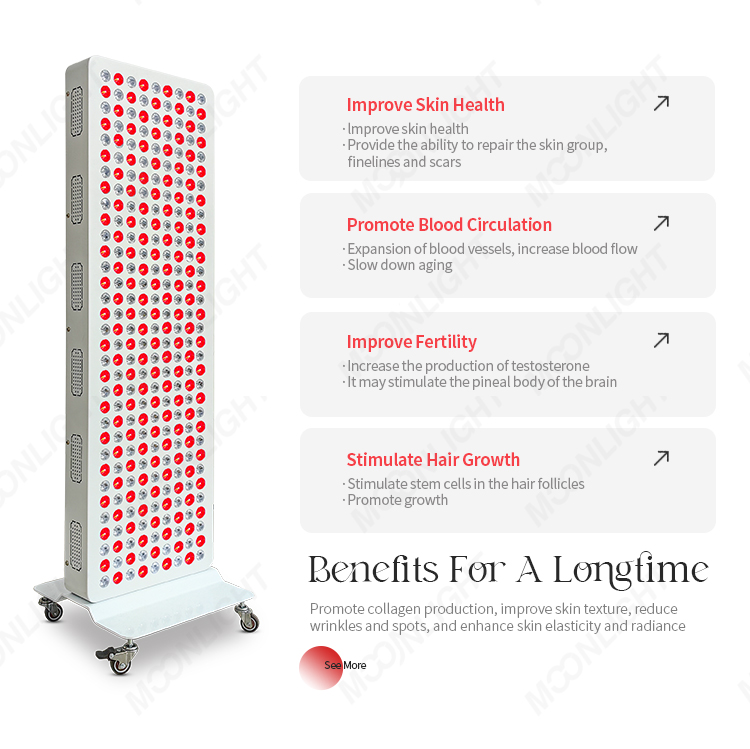
6. Panel Size and Installation Options
The best panel size depends on the intended business application.
A compact panel may be convenient for localized skincare applications, while a larger panel may be more suitable for broader body areas.
Also consider whether the system supports floor stands, wall mounting, adjustable positioning, or other installation options.
7. Controls and Treatment Programs
A user-friendly control system can make treatment management easier for professional operators.
Check the available timer settings, intensity adjustment, wavelength controls, preset programs, and any pulse or frequency options.
The exact functions should be confirmed for the model being considered.
Who Can Benefit from a Professional Red Light Therapy Panel?
The flexibility of panel-based light therapy makes it relevant to several business environments.
Beauty Salons and Skincare Studios
Red light therapy can complement existing facial and skin maintenance services, creating an additional option for clients interested in non-invasive skincare technologies.
Medical Spas and Aesthetic Clinics
Professional clinics may evaluate red and near-infrared panels for selected photobiomodulation applications, subject to the device’s intended use and applicable regulations.
Fitness Centers and Sports Recovery Studios
The 660nm and 850nm combination may be relevant to recovery-oriented wellness programs and post-exercise routines.
Wellness and Health Centers
Businesses offering broader wellness services may incorporate panel-based light sessions as an additional non-invasive service.
Beauty Equipment Distributors
For distributors, red light panels provide an opportunity to expand their product range into the growing light-based beauty and wellness equipment category.
The right configuration depends on the target customer, local market requirements, and the specific application the business intends to offer.
Why Choose MNLT LASER?
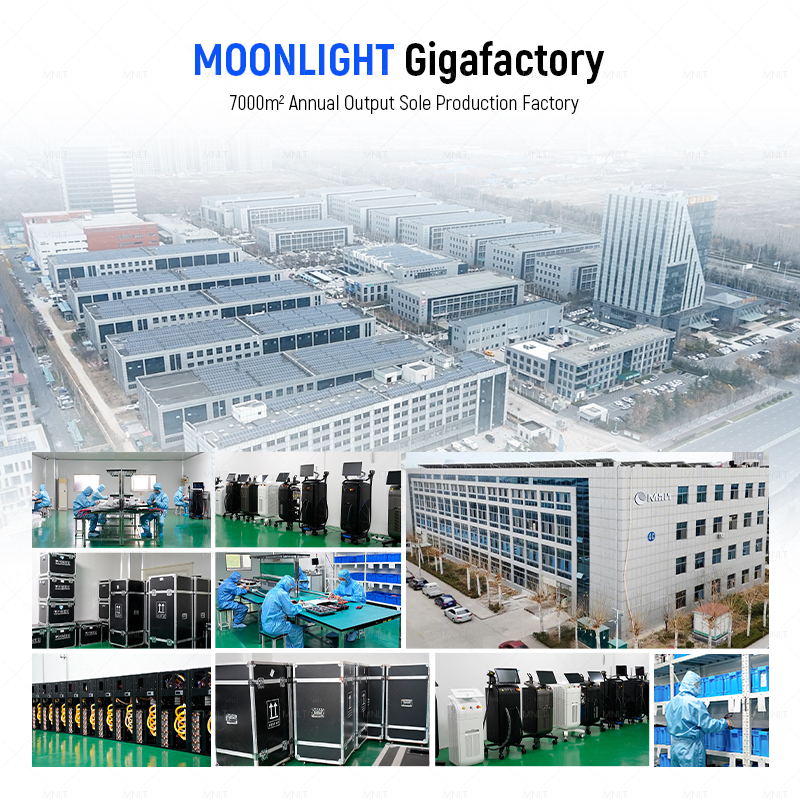
Shandong Moonlight Electronic Technology Co., Ltd. is headquartered in Weifang, China, known as the World Kite Capital.
With 18 years of experience in the professional beauty equipment industry, the company focuses on research, development, production, sales, and service for international customers.
Its business capabilities include:
- Internationally standardized dust-free production facilities
- OEM/ODM customization options
- Free logo design for eligible projects
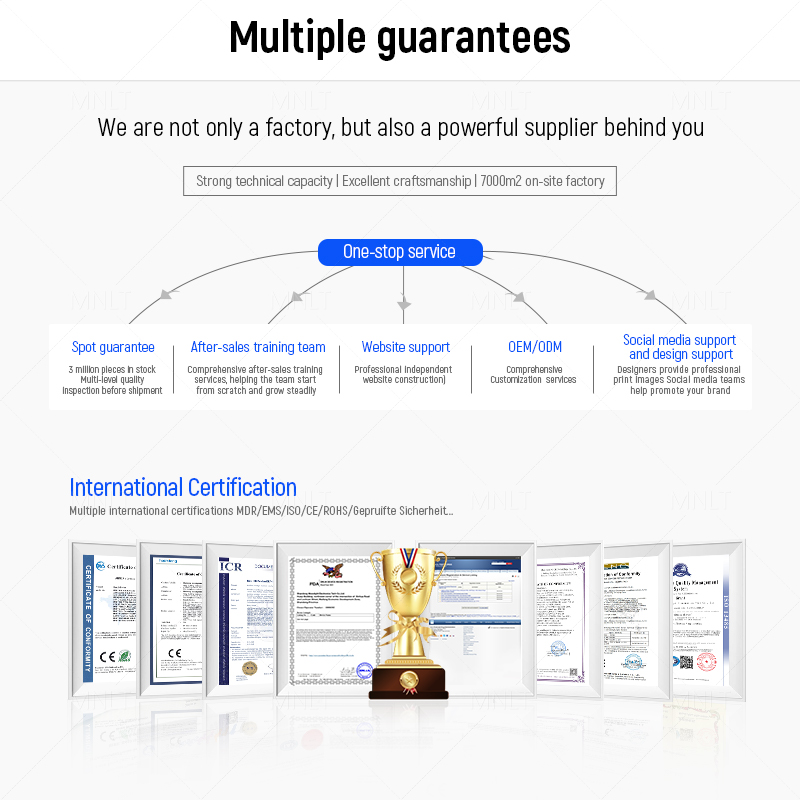
- ISO, CE, and FDA-related documentation, subject to verification of the relevant product and certification scope
- Two-year warranty, subject to applicable terms
- 24-hour after-sales support
For international buyers, product specifications and service support are both important when selecting light therapy equipment.
OEM/ODM services can also help distributors and private-label businesses align equipment appearance and branding with their own product range.
Frequently Asked Questions About Red Light Therapy Panels
1. What is a Red Light Therapy Panel?
A Red Light Therapy Panel is an LED-based light therapy device designed to deliver red and/or near-infrared light to selected body areas. It is commonly associated with photobiomodulation and is used in cosmetic, wellness, and selected recovery-oriented applications.
2. What is the difference between 660nm red light and 850nm near-infrared light?
660nm is visible red light commonly used in skin-focused photobiomodulation applications. 850nm is near-infrared light, which is not visible to the human eye and has different tissue penetration characteristics. Combining the two provides access to different wavelength bands within one panel.
3. How does red light therapy work at the cellular level?
Research suggests that certain red and near-infrared wavelengths interact with cellular chromophores, including mitochondrial components. These interactions may influence ATP production and other cellular signaling processes. The exact mechanisms and clinical effects depend on the wavelength, dose, and treatment protocol.
4. Can a Red Light Therapy Panel help improve skin appearance?
Photobiomodulation has been studied for applications involving skin texture, collagen-related processes, and visible signs of skin aging. Results vary depending on the device and treatment protocol. Red light therapy should be positioned as a complementary skincare option rather than a guaranteed anti-aging treatment.
5. Can red light therapy be used for muscle recovery?
Yes. Photobiomodulation is being studied for post-exercise muscle recovery and delayed-onset muscle soreness. Some research has reported positive results at selected follow-up times, although more standardized clinical evidence is needed. The exact device output and treatment protocol are important.
6. Does near-infrared light produce visible light?
No. Near-infrared light at approximately 850nm is outside the range of human visible vision. A panel may therefore appear to emit a weaker visible glow than its actual near-infrared output.
7. Is red light therapy the same as infrared heat therapy?
No. Photobiomodulation uses selected light wavelengths at relatively low energy levels and is not primarily intended to heat tissue. Infrared heat therapy focuses on producing thermal effects. The two approaches have different mechanisms and should not be confused.
8. What should I check before buying a Red Light Therapy Panel?
Important factors include wavelength accuracy, irradiance at a stated distance, energy density, LED quantity, light distribution, cooling, panel size, control functions, electrical requirements, and applicable certifications. Buyers should request a complete technical specification sheet before purchasing.
9. Is red light therapy suitable for everyone?
No. Suitability depends on individual health conditions, medication use, photosensitivity, and the treatment area. People who are pregnant, have photosensitivity disorders, active implants, cancer at the treatment area, or active wounds or infections should seek appropriate medical advice and follow the device’s safety instructions before use.
10. Can I customize the Red Light Therapy Panel with my own logo?
MNLT LASER offers OEM/ODM customization and logo design options for eligible projects. Buyers can discuss branding, product configuration, packaging, and order quantities when requesting a quotation.
Request a Quote for the Red Light Therapy Panel
As interest in photobiomodulation continues to develop, red and near-infrared LED panels are becoming an interesting equipment category for beauty, wellness, and sports recovery businesses.
The MNLT LASER Red Light Therapy Panel range focuses on the combination of 660nm red light and 850nm near-infrared light, offering a platform for businesses exploring non-invasive light-based applications.
Whether you operate a beauty salon, aesthetic clinic, wellness center, fitness facility, or international equipment distribution business, choosing the right panel configuration starts with understanding its actual optical performance.
Contact MNLT LASER to request:
- Complete product specifications
- 660nm and 850nm wavelength details
- Irradiance and energy-density test data
- Panel dimensions and installation options
- Cooling and operating specifications
- OEM/ODM and private-label options
- Wholesale pricing and shipping information
- Warranty and after-sales support details
When sending your inquiry, include your country, business type, intended applications, preferred panel size, and estimated order quantity. This will help the team prepare a quotation that better matches your requirements.
Looking for a professional Red Light Therapy Panel for your beauty or wellness business? Contact MNLT LASER today to explore available configurations and request a personalized quotation.
Post time: Nov-13-2026


