

As wellness, recovery, skin health, and non-invasive aesthetic services continue to converge, light-based technologies are finding a broader role in modern professional settings. Among them, Red Light Therapy Panel systems have attracted growing interest from aesthetic clinics, wellness centers, recovery studios, fitness facilities, beauty businesses, and private-label equipment distributors.
Unlike conventional light sources designed primarily for illumination, red light therapy systems are built around specific wavelengths intended to interact with biological tissue. Most commercial photobiomodulation platforms focus on red light in the mid-600 nm range together with near-infrared light in the mid-800 nm range. Research into photobiomodulation has explored how these wavelengths may influence cellular energy production, inflammation, tissue repair, and other biological processes.
For businesses considering a new wellness or aesthetic technology, the appeal goes beyond the underlying science. A modern Red Light Therapy Panel can serve multiple customer segments, support a wide range of non-invasive wellness services, and fit naturally into treatment rooms, recovery areas, spas, gyms, and home-use product lines.
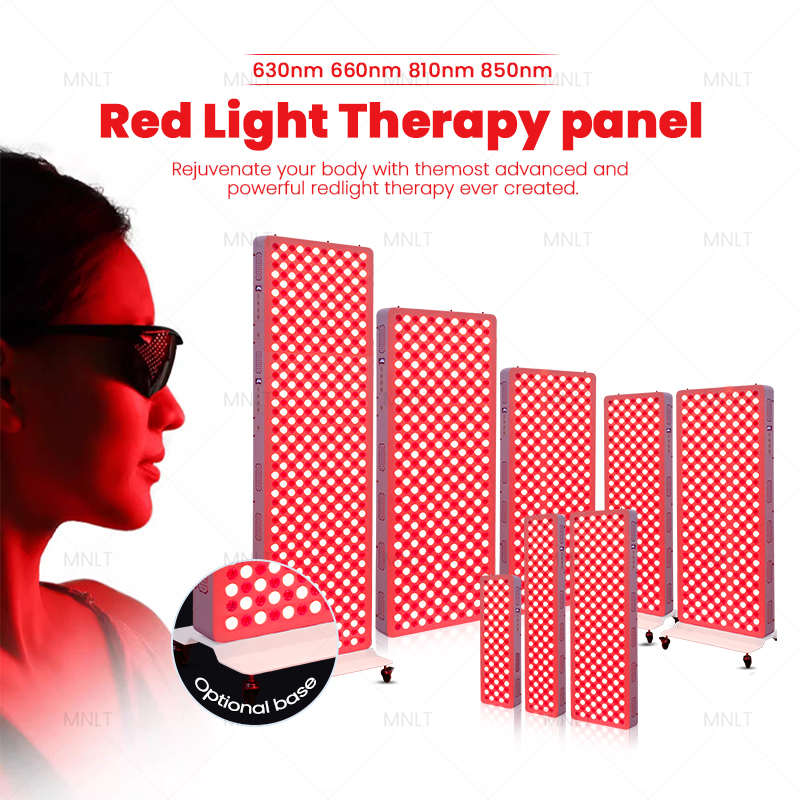
What Is A Red Light Therapy Panel?
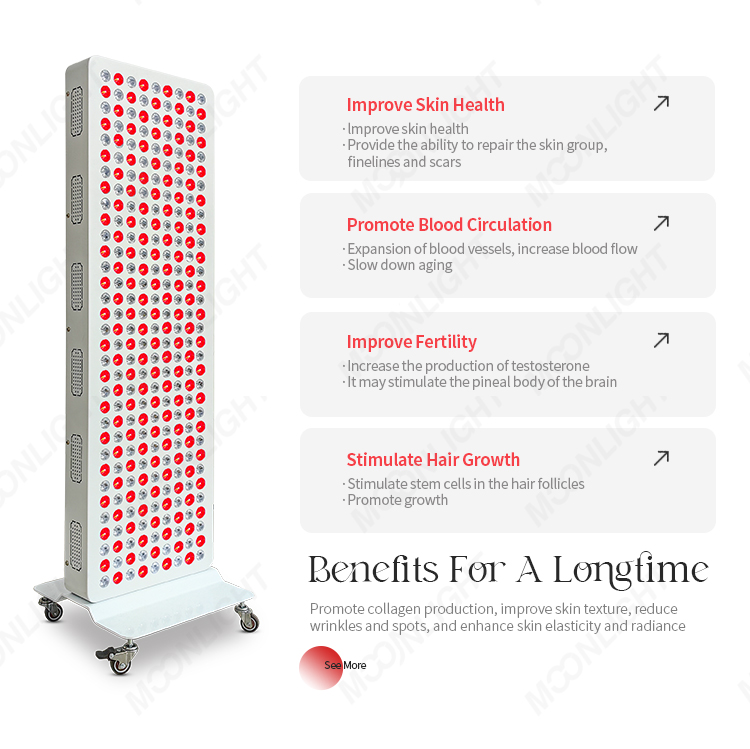
A Red Light Therapy Panel is a professional or consumer-oriented LED light therapy system designed to deliver selected red and near-infrared wavelengths to the body.
Red light is generally associated with visible wavelengths, while near-infrared light sits beyond the visible spectrum. In photobiomodulation research, wavelengths around 630–680 nm and approximately 800–850 nm are among the commonly investigated ranges.
The basic concept is straightforward: specific wavelengths of light are delivered to biological tissue at controlled intensities. Cellular components called chromophores absorb some of this light, with mitochondria and cytochrome c oxidase frequently discussed as important targets in proposed photobiomodulation mechanisms. Research suggests that these interactions can influence mitochondrial activity and cellular signaling.
This is one reason red and near-infrared light have become increasingly interesting in professional wellness and aesthetic environments. Rather than relying on heat, injections, or aggressive tissue resurfacing, photobiomodulation is generally positioned as a non-invasive light-based approach.
Why Red And Near-Infrared Wavelengths Matter
Not all light behaves the same way in biological tissue.
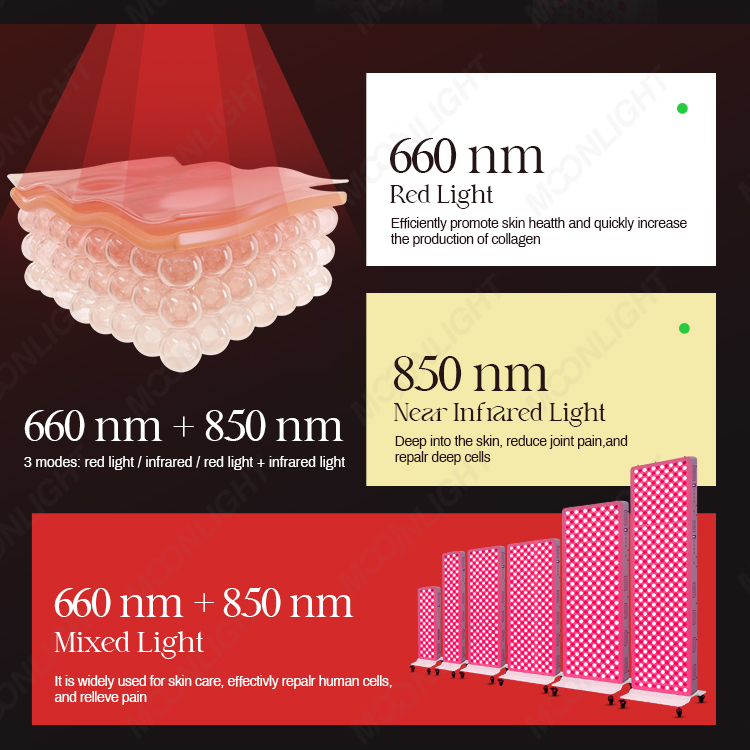
The appeal of combining red and near-infrared wavelengths comes from their different optical characteristics and the large amount of research devoted to photobiomodulation. Around 660 nm, red light is frequently studied in relation to cellular and mitochondrial responses, while wavelengths around 810–850 nm are widely investigated for deeper tissue applications.
At the cellular level, one of the leading models involves the interaction of light with cytochrome c oxidase, a component of the mitochondrial respiratory chain. This may influence electron transport and ATP production, helping explain why photobiomodulation research has focused so heavily on cellular energy and recovery.
The science is still developing, and outcomes can vary depending on wavelength, dose, irradiance, treatment area, and individual factors. For manufacturers and professional providers, this makes the engineering of the light source especially important.
A quality Red Light Therapy Panel should therefore be evaluated not simply by how bright the LEDs appear, but by the wavelength configuration, optical design, coverage area, consistency, build quality, and suitability for the intended application.
How Does Red Light Therapy Work?
The principle behind photobiomodulation can be understood at the cellular level.
When red or near-infrared photons reach tissue, some are absorbed by photoreactive molecules within cells. Mitochondrial pathways, particularly those associated with cytochrome c oxidase, are among the mechanisms most often discussed in the scientific literature. The resulting signaling may influence ATP production, oxidative balance, blood flow, inflammatory pathways, and cellular repair processes.
This does not mean that light therapy produces the same effect for every person or every condition. Instead, it provides a biological stimulus that researchers continue to investigate across multiple fields.
For commercial operators, this distinction matters. A Red Light Therapy Panel is best presented as a technology that supports non-invasive wellness and photobiomodulation-based services rather than as a universal solution for every health concern.
Potential Applications Of Red Light Therapy
One of the biggest advantages of red light technology is its versatility.
A single Red Light Therapy Panel can potentially be incorporated into several service categories, depending on the configuration of the device and the regulations applicable in the target market.
Skin Health And Aesthetic Wellness
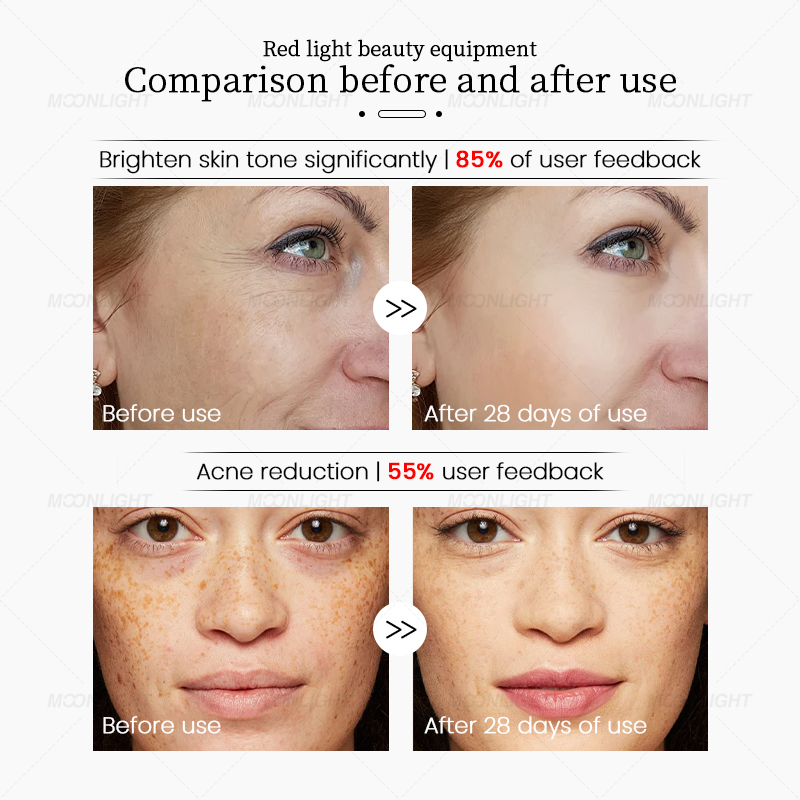
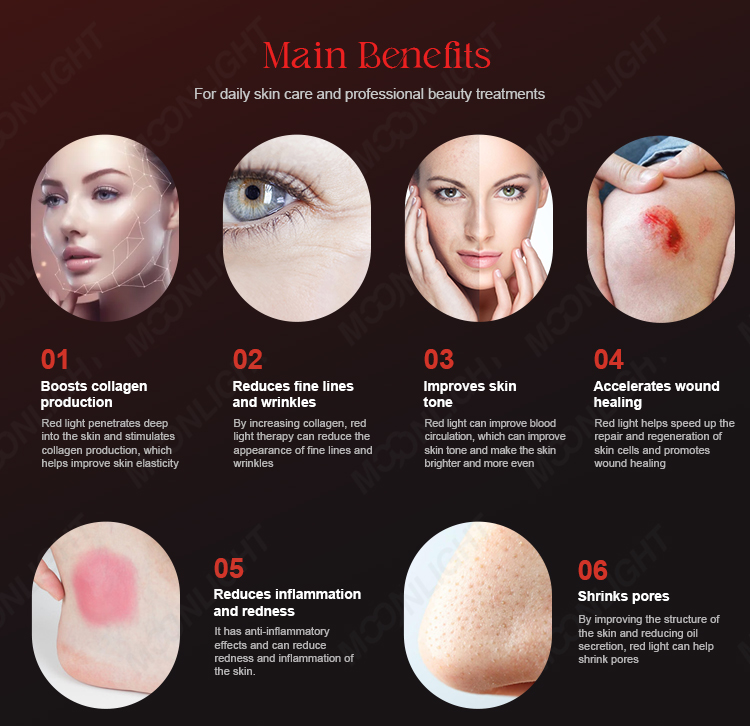
Red light therapy is widely discussed in the beauty and aesthetic industry because of its potential relationship with collagen production, skin appearance, and cellular regeneration.
Professional providers may incorporate light therapy into wellness and facial-care programs focused on:
- Supporting healthier-looking skin
- Improving the appearance of fine lines and wrinkles
- Supporting collagen-related skin processes
- Enhancing overall skin appearance
- Complementing post-treatment recovery programs
- Supporting acne-prone skin care routines
Research into photobiomodulation has investigated skin repair, collagen-related processes, wound healing, and inflammatory responses, although outcomes depend strongly on treatment design and clinical context.
Muscle Recovery And Sports Wellness
Recovery has become an important commercial category for light-based wellness technology.
Athletes and fitness customers are increasingly interested in non-invasive methods that can be integrated into recovery routines. Research reviews and meta-analyses have investigated photobiomodulation in relation to muscle soreness, endurance, strength recovery, and post-exercise recovery. Evidence is encouraging in some areas, but study quality and results are not uniform across all applications.
This makes a Red Light Therapy Panel particularly interesting for gyms, sports recovery centers, physiotherapy-oriented wellness environments, and performance facilities.
Pain And Inflammation Support
Photobiomodulation has also been studied for pain, inflammation, edema, and tissue recovery.
The proposed mechanisms include changes in mitochondrial signaling, oxidative processes, inflammatory pathways, and local tissue responses. These areas remain active fields of research rather than established guarantees for every patient.
For businesses, this creates an opportunity to position red light services within broader recovery and wellness programs while keeping customer communication evidence-based and appropriately qualified.
Relaxation, Stress And Sleep Wellness
Light exposure has long been associated with circadian biology, and photobiomodulation is also being investigated for mood and psychological health.
Recent systematic reviews have reported potentially beneficial effects of photobiomodulation on depressive symptoms, while emphasizing the need for additional high-quality research and standardized protocols.
This makes light therapy relevant to wellness concepts built around relaxation, recovery, stress management, and sleep-support routines. However, professional providers should avoid presenting a panel as a replacement for medical diagnosis or treatment.
Why A Full-Body Red Light Therapy Panel Is Commercially Attractive
For B2B buyers, the question is not only whether a technology is interesting. It is whether the technology can become a practical business service.
That is where full-body panel systems offer an important advantage.
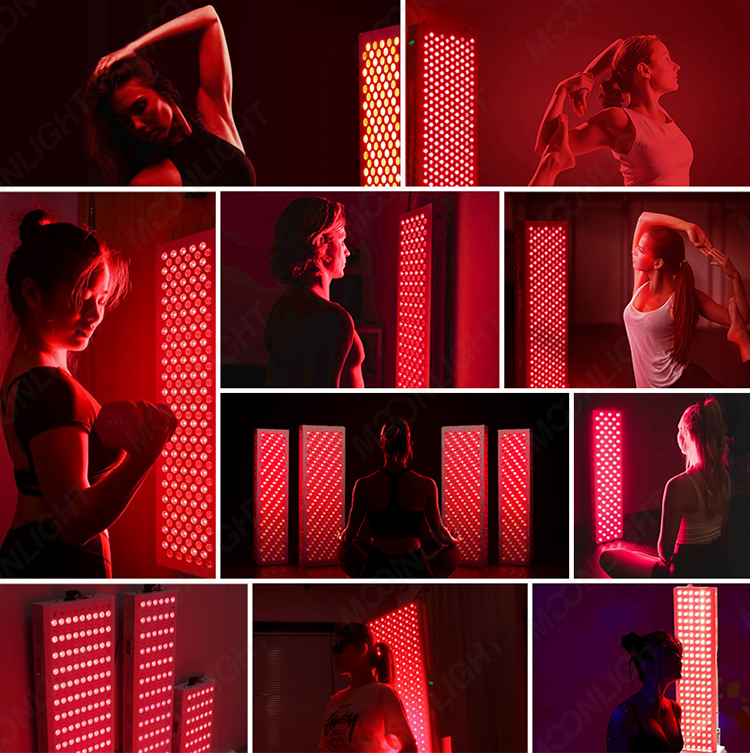
Instead of restricting the application to a small facial area, larger panels can provide wider treatment coverage, making them suitable for body-focused wellness and recovery environments.
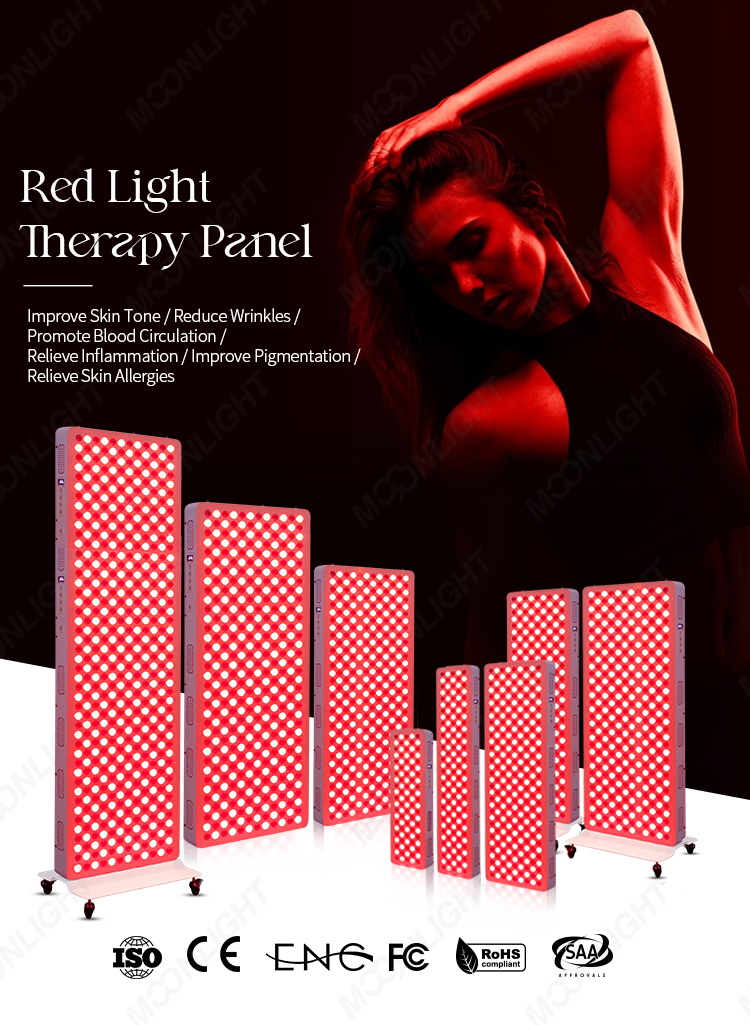
A well-designed Red Light Therapy Panel can be positioned for different service concepts, including:
The commercial advantage is flexibility. One platform may appeal to several customer groups without requiring a business to build an entirely new treatment category from scratch.
What To Look For When Buying A Red Light Therapy Panel
As the red light therapy market becomes more competitive, product differentiation increasingly depends on engineering rather than marketing language alone.
For distributors, clinics, and wellness operators, several factors deserve attention.
Wavelength Configuration
The wavelength combination is one of the most important technical considerations. Red wavelengths around the mid-600 nm range and near-infrared wavelengths around the mid-800 nm range are commonly associated with photobiomodulation research.
Buyers should request clear wavelength specifications rather than relying on general statements such as “medical red light.”
Light Coverage
A larger treatment area can improve operational flexibility for businesses offering full-body wellness services.
Panel dimensions, LED arrangement, optical distribution, and treatment distance all influence the practical coverage of the system.
Output Consistency
A professional device should provide stable, repeatable light delivery.
For B2B buyers, consistency is particularly important because equipment may be used repeatedly throughout the day. Product documentation should clearly describe the system’s optical specifications and operating characteristics.
Build Quality
Commercial equipment needs to withstand continuous use.
Housing quality, heat management, internal components, control systems, and overall construction can have a major impact on long-term reliability.
User Experience
A professional device should also be straightforward to operate.
Clear controls, intuitive software, easy positioning, and a clean design can make a significant difference to staff training and customer experience.
Red Light Therapy And The Growing Wellness Market
The rise of photobiomodulation reflects a broader change in consumer expectations.
Customers increasingly look for wellness services that are non-invasive, convenient, and easy to incorporate into existing routines. At the same time, business owners are looking for technologies that can support multiple revenue streams rather than serving only one narrow application.
This combination has helped make red light therapy an increasingly visible category across wellness, fitness, beauty, and recovery markets.
For manufacturers and distributors, this trend creates another opportunity: developing products that are not only technically credible, but also commercially adaptable.
A Red Light Therapy Panel can be designed as a standalone service, a complementary treatment, or part of a broader wellness ecosystem.
Red Light Therapy Panel For Clinics, Spas, Gyms And Wellness Centers
From a B2B perspective, versatility is one of the strongest reasons to consider a panel system.
Aesthetic clinics can position light therapy alongside facial and skin-care services. Wellness centers can incorporate it into broader relaxation and recovery programs. Gyms and sports facilities can offer it as part of a recovery-focused customer journey. Spas can use it as an additional non-invasive wellness service.
The technology can also be attractive to distributors and private-label brands because its use case extends beyond a single customer segment.
For companies entering the category, product selection should therefore be based on more than specifications. The right equipment should match the target market, local regulatory requirements, service positioning, expected usage volume, and after-sales support strategy.
Why Work With An Experienced Red Light Therapy Manufacturer?
For overseas buyers, the manufacturer behind the equipment can be just as important as the product itself.
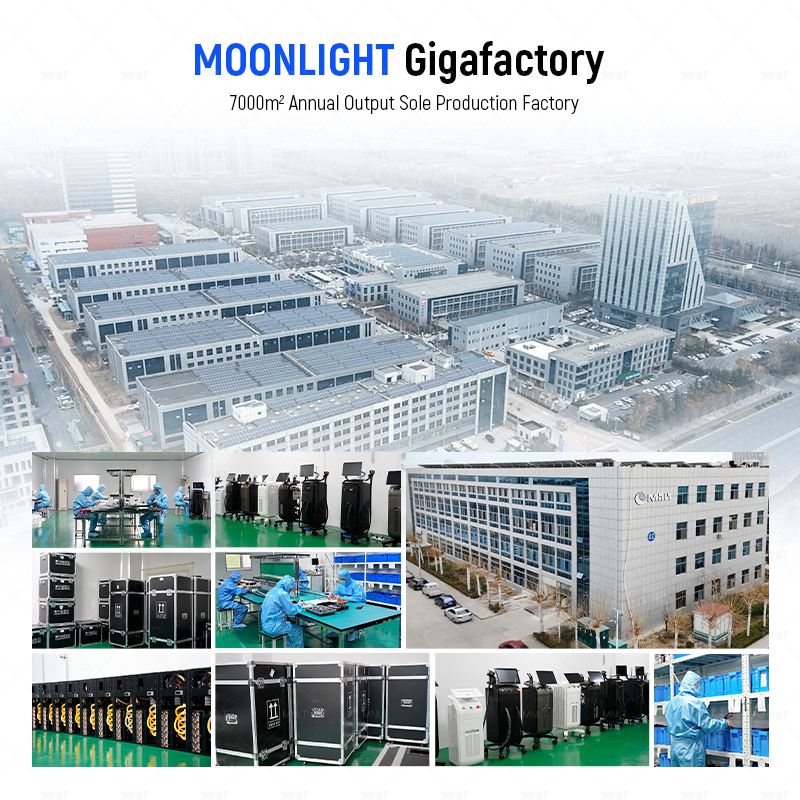
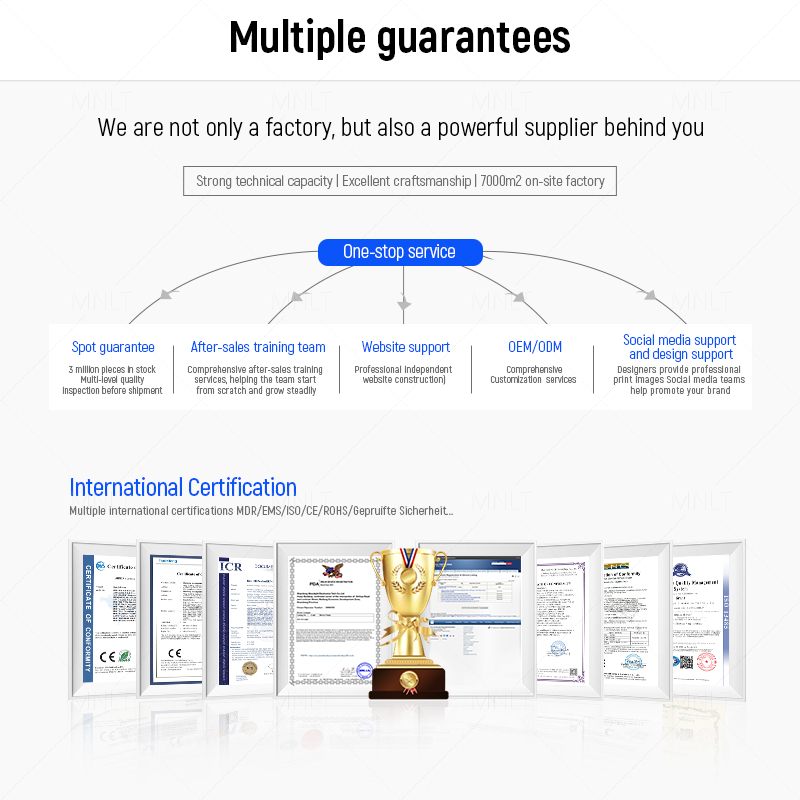
Shandong Moonlight Electronic Technology Co., Ltd. is based in Weifang, China, and has specialized in the research, development, production, sales, and service of professional beauty equipment for 18 years.
The company operates internationally standardized dust-free production facilities and supports OEM/ODM customization for global customers. Buyers can also request free logo design for private-label projects.
Its quality and compliance framework includes ISO, CE, and FDA-related certifications, while business customers can receive a two-year warranty and 24-hour after-sales support.
For distributors, clinics, wellness operators, and private-label brands, this combination can simplify product sourcing while providing a stronger foundation for long-term cooperation.
A Flexible Platform For The Next Generation Of Wellness Services
Red light therapy is not a single-purpose technology. Its appeal comes from the combination of a non-invasive treatment concept, broad commercial applications, and continued scientific interest in how red and near-infrared wavelengths interact with biological tissue.
The best business opportunity is therefore not simply to sell another light-based device. It is to build a service around the technology.
A professionally designed Red Light Therapy Panel can become part of a clinic’s skin-care offering, a wellness center’s recovery program, a gym’s performance services, or a distributor’s private-label product portfolio.
As the market continues to mature, buyers are likely to place greater emphasis on reliable wavelength output, engineering quality, usability, manufacturer support, and transparent technical documentation.
That is where an experienced manufacturing partner can make the difference.
Request Red Light Therapy Panel Specifications And Factory Pricing
For clinics, spas, wellness centers, distributors, and private-label brands looking to add red and near-infrared light therapy to their product or service portfolio, choosing the right manufacturer is the first step.
Shandong Moonlight Electronic Technology Co., Ltd. provides Red Light Therapy Panel solutions for international B2B customers, with OEM/ODM customization, private-label support, free logo design, professional production facilities, quality certifications, a two-year warranty, and 24-hour after-sales support.
Contact our team to request the latest Red Light Therapy Panel catalog, technical specifications, factory quotation, OEM/ODM options, and distributor cooperation details.
Tell us your target market and business model, and we can recommend a suitable Red Light Therapy Panel configuration for your project.
FAQ
Post time: Sep-14-2026


