

Pain management and physical rehabilitation are evolving. Physiotherapists, sports rehabilitation specialists, and wellness professionals are increasingly looking for treatment technologies that can complement manual therapy, support tissue recovery, and help patients return to their daily activities.
One technology gaining attention in professional rehabilitation is TECAR Therapy, a radiofrequency-based treatment approach that combines capacitive and resistive energy transfer.
Unlike conventional external heating methods, TECAR delivers radiofrequency energy through specialized electrodes, generating heat within the treated tissue. This approach is commonly used as part of physiotherapy programs focusing on muscle tension, joint discomfort, sports-related injuries, and functional recovery.
For clinics looking to expand their treatment capabilities, TECAR offers an interesting combination of deep tissue warming and hands-on therapeutic techniques.
The MNLT LASER TECAR therapy equipment is designed for professional applications involving capacitive and resistive treatment modes, providing practitioners with flexibility when working with different tissue structures and treatment areas.
What Is TECAR Therapy?
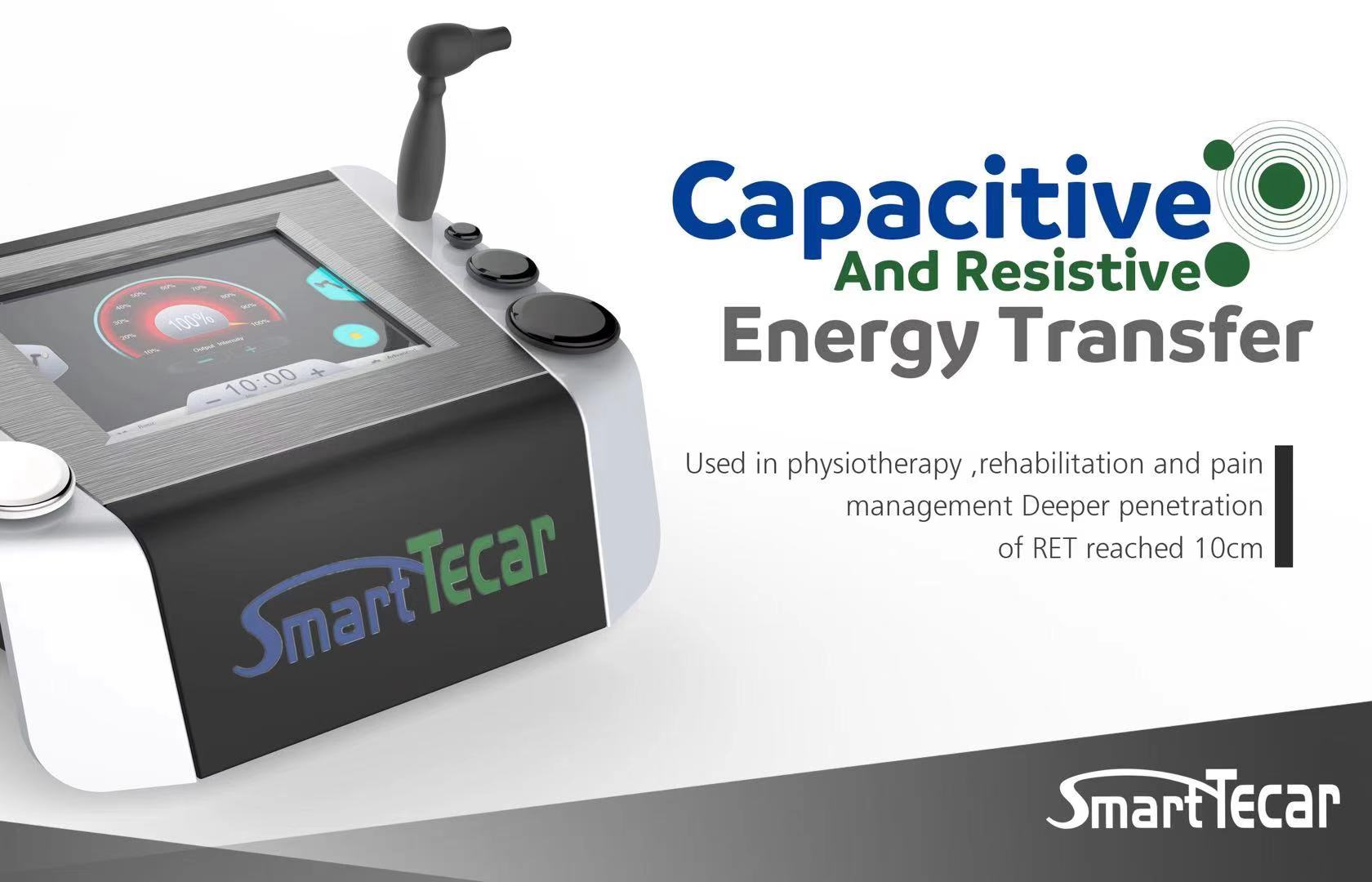
TECAR stands for Transfer of Energy Capacitive and Resistive. It is a form of radiofrequency diathermy used in physiotherapy and rehabilitation.
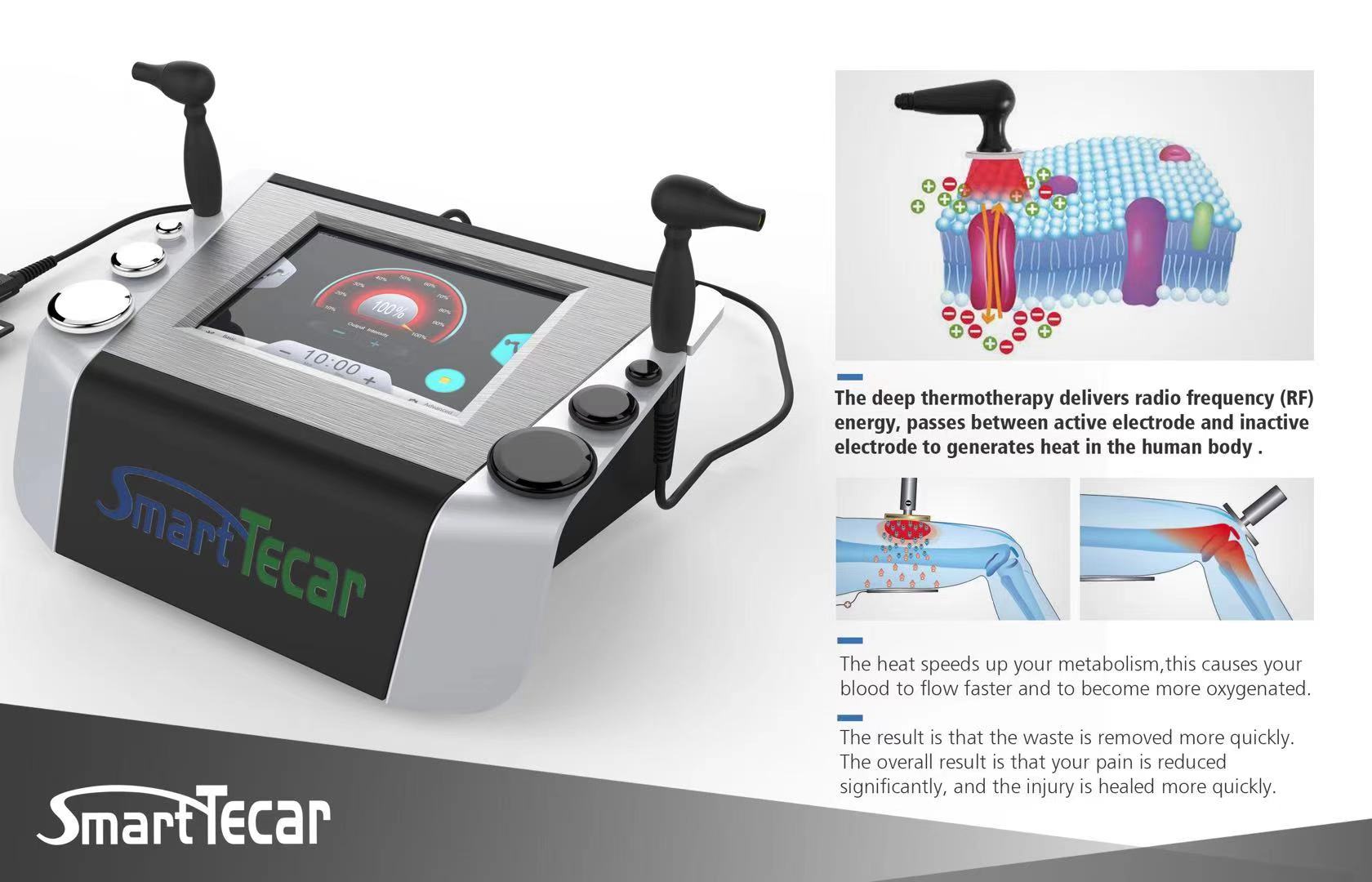
The technology delivers high-frequency alternating electrical current between an active treatment electrode and a return electrode. As the energy interacts with biological tissue, electrical resistance and tissue properties contribute to the generation of heat.
This process is commonly described as endogenous heating, meaning that thermal energy is generated within the treated tissue rather than being transferred only from an external heat source.
The term TECAR is particularly associated with two treatment approaches:
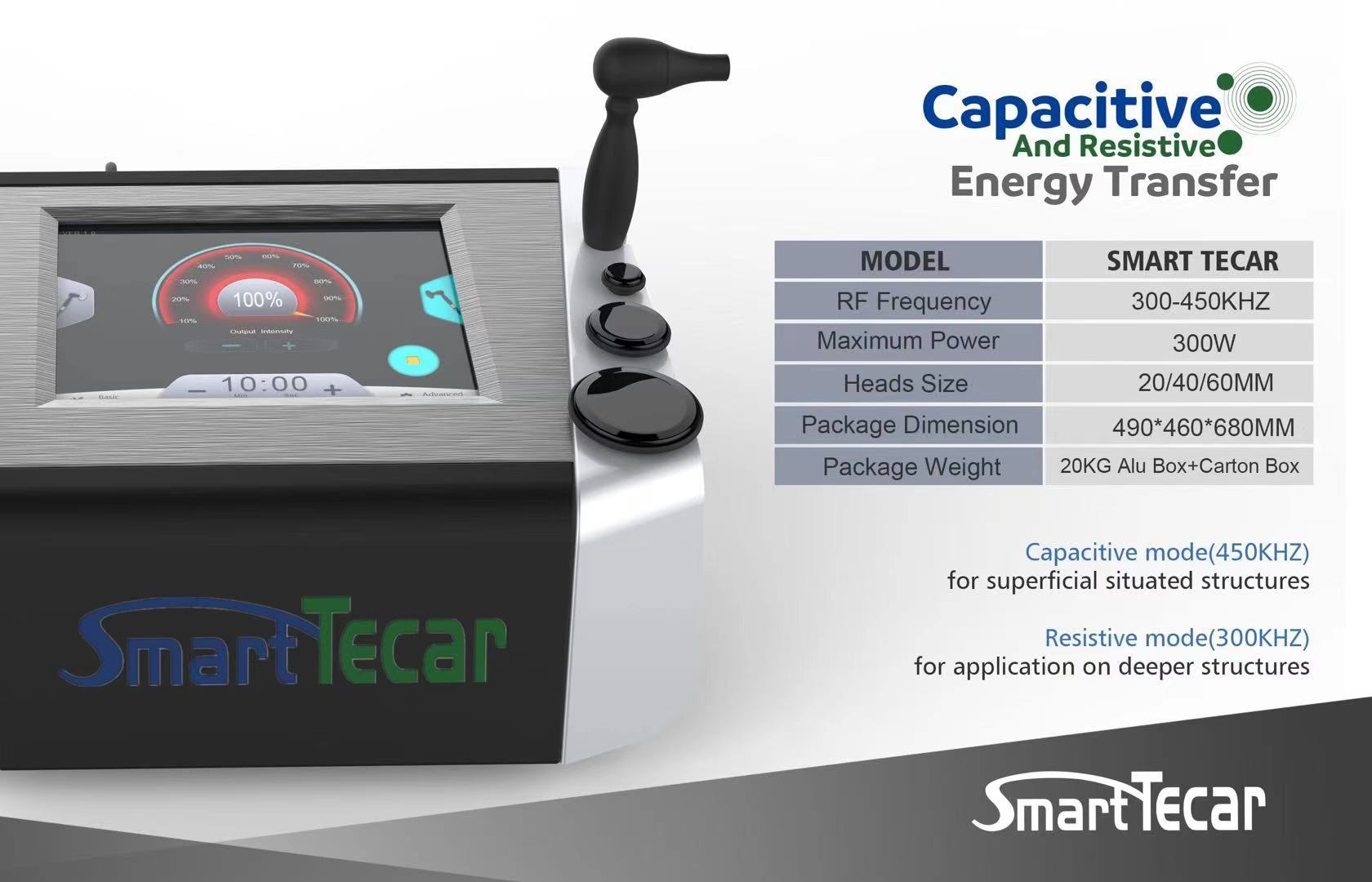
- CET (Capacitive Energy Transfer): Uses an insulated or ceramic electrode for capacitive energy delivery.
- RET (Resistive Energy Transfer): Uses a conductive electrode for resistive energy delivery.
These two modes provide different electrical interactions with tissue and allow practitioners to adapt the treatment approach to different anatomical structures.
TECAR is commonly incorporated into physiotherapy programs involving:
- Muscle and tendon discomfort
- Sports-related injuries
- Joint stiffness
- Neck and lower back discomfort
- Soft-tissue tension
- Selected post-operative rehabilitation programs
- Restricted mobility
- Selected musculoskeletal rehabilitation applications
How Does TECAR Radiofrequency Work?
The principle behind TECAR is based on the transfer of radiofrequency energy into biological tissue.
When high-frequency current passes between the active electrode and return plate, charged particles within the tissue respond to the alternating electrical field.
The resulting electrical interactions generate heat within the treated area.
This thermal response can influence local physiological processes, including tissue temperature and circulation.
1. Radiofrequency Energy Transfer
The equipment generates alternating radiofrequency current, which travels through the body between the active electrode and the return electrode.
The active electrode is moved over the treatment area using a suitable conductive medium, according to the operating protocol.
2. Interaction with Biological Tissue
Different tissues have different electrical and physical characteristics.
As radiofrequency energy interacts with the tissue, electrical resistance contributes to heat generation.
The resulting temperature response depends on the selected treatment mode, electrode characteristics, energy output, application technique, and treatment duration.
3. Deep Tissue Warming
Controlled tissue warming is one of the main purposes of TECAR therapy.
In physiotherapy settings, this effect may be used to complement treatment programs involving muscle relaxation, joint mobility, and soft-tissue rehabilitation.
Changes in local temperature and blood flow have been investigated in clinical research involving capacitive-resistive electric transfer therapy.
The actual response varies according to the individual and the treatment protocol.
CET vs. RET: Understanding the Two TECAR Modes
The distinction between CET and RET is one of the most important features of TECAR technology.
Although both modes use radiofrequency energy, their electrode designs and electrical coupling characteristics differ.
CET: Capacitive Energy Transfer
CET uses an insulated or ceramic-coated active electrode.
The insulating layer creates a capacitive coupling effect, influencing how electrical energy is transferred into the tissue.
It is commonly selected for treatment areas containing relatively water-rich soft tissue, including:
- Superficial muscles
- Skin and subcutaneous soft tissue
- Muscle-related tension
- Selected soft-tissue structures
For practitioners, CET provides an option for treatments where a capacitive electrode approach is preferred.
The MNLT LASER TECAR system includes a CET RF Ceramic Probe designed for these applications.
RET: Resistive Energy Transfer
RET uses a conductive active electrode rather than the same type of insulating layer found in CET electrodes.
This changes the electrical characteristics of the treatment circuit and the way energy is distributed through tissue.
It is commonly used for applications involving structures such as:
- Tendons
- Ligaments
- Deeper muscle structures
- Joint-related soft tissues
- Other relatively dense anatomical regions
The RES approach is particularly relevant when practitioners want to work with deeper or denser tissue structures as part of a rehabilitation program.
CET and RET Comparison
| Feature | CET Mode | RET Mode |
|---|---|---|
| Full name | Capacitive Energy Transfer | Resistive Energy Transfer |
| Electrode design | Insulated or ceramic-coated | Conductive electrode |
| Energy transfer | Capacitive coupling | Resistive coupling |
| Typical treatment focus | Soft tissue and muscle | Tendons, ligaments, deeper structures |
| Main applications | Soft-tissue warming and muscle-related treatments | Deeper tissue warming and musculoskeletal treatments |
| Treatment flexibility | Superficial and selected soft-tissue applications | Selected deeper and denser tissue applications |
CET and RET should not be understood as completely isolated anatomical targeting systems. Both modes can influence multiple tissue layers, depending on electrode design, output settings, and application technique.
For professional rehabilitation, selecting the appropriate mode depends on the treatment objective and the therapist’s clinical assessment.
The Physiological Effects of TECAR Therapy
TECAR therapy is primarily associated with controlled radiofrequency heating and the physiological responses that may follow.
Several processes have been investigated in connection with this technology.
1. Local Circulation
Heating can produce changes in local blood flow through vascular responses.
Improved local perfusion may help support the delivery of oxygen and nutrients to the treated region.
This is one reason TECAR is often considered as a complementary modality in rehabilitation programs.
2. Tissue Metabolic Activity
Changes in tissue temperature can influence local metabolic processes.
In rehabilitation settings, controlled warming may be used alongside movement and exercise to prepare selected tissues for further treatment.
3. Muscle Relaxation
TECAR is commonly incorporated into treatment programs involving muscle tension and discomfort.
The warming effect may help create a more comfortable treatment experience and complement manual muscle relaxation techniques.
4. Joint Mobility
When used appropriately, thermal treatments may help prepare selected soft tissues for mobility exercises and manual therapy.
For patients with restricted movement, TECAR can be incorporated into a wider rehabilitation plan that also includes therapeutic exercise.
5. Soft-Tissue Recovery
Research has explored the possible influence of capacitive-resistive energy transfer on tissue-healing-related responses.
However, outcomes depend on the type of injury, treatment protocol, and combination with other rehabilitation methods.
TECAR should be considered one component of a structured treatment program rather than a standalone solution for every injury.
TECAR Therapy Applications in Sports Rehabilitation
Sports injuries often involve more than one tissue structure.
A single injury may affect muscles, tendons, ligaments, and surrounding connective tissue.
For sports rehabilitation professionals, TECAR provides another modality that can be integrated into different stages of a treatment program.
1. Muscle Strains and Sports-Related Discomfort
Muscle strains and overuse conditions are common among athletes.
TECAR can be incorporated into selected rehabilitation programs involving muscle tension and tissue discomfort.
The CET electrode may be used for appropriate soft-tissue applications, while the RET electrode offers another approach for deeper structures.
Acute injuries require careful assessment. High-intensity thermal treatment should not be applied indiscriminately to newly injured or actively bleeding tissue.
2. Tendinitis and Tendinopathy
Tendon-related problems frequently occur in sports that involve repeated loading.
Common treatment areas include:
- Achilles tendon
- Patellar tendon
- Shoulder tendons
- Elbow tendons
- Other selected tendon structures
RET mode is often considered for tendon-focused applications.
3. Shoulder and Neck Discomfort
Shoulder and cervical-region problems can involve muscular tension and restricted movement.
TECAR may be used alongside manual techniques and mobility exercises in selected cases.
4. Lower Back Pain
Lower back discomfort is one of the common reasons people seek physiotherapy.
Depending on the clinical assessment, TECAR may be incorporated into rehabilitation programs involving muscle tension, mobility limitations, and selected soft-tissue conditions.
Exercise, movement education, and appropriate manual therapy remain important parts of long-term management.
5. Knee and Ankle Conditions
TECAR is also used in selected rehabilitation programs involving:
- Knee discomfort
- Patellar tendinopathy
- Ankle sprains
- Joint stiffness
- Selected ligament and soft-tissue conditions
The treatment approach should be adapted to the injury stage and the patient’s functional condition.
TECAR Therapy for Post-Operative Rehabilitation
Recovery following surgery often involves changes in tissue mobility, muscle function, and local comfort.
A structured rehabilitation program may include movement exercises, manual techniques, and selected physical therapy modalities.
TECAR can be considered as an additional modality in appropriately cleared post-operative rehabilitation programs.
Its potential uses include:
- Supporting soft-tissue treatment
- Complementing muscle relaxation programs
- Addressing selected mobility limitations
- Supporting rehabilitation-related warming applications
- Complementing manual rehabilitation techniques
Treatment should only begin after the surgical team or responsible clinician confirms that the treated area is suitable.
Fresh incisions, active bleeding, infection, or other post-operative complications require specific medical evaluation before any RF treatment.
Why TECAR Works Well with Manual Therapy
One of the most interesting aspects of TECAR is that it does not require practitioners to abandon their own manual treatment methods.
Some physical therapy equipment limits the therapist’s ability to perform additional manual techniques during energy delivery.
TECAR offers a different treatment workflow.
The active electrode can be moved over the treatment area while the therapist performs selected manual techniques.
Depending on the device design and treatment protocol, TECAR may be combined with:
Therapeutic Massage
Radiofrequency energy can be delivered during selected massage techniques, allowing the therapist to integrate warming with hands-on treatment.
Passive Movement
The therapist can guide controlled joint or limb movement while applying appropriate RF energy.
Muscle Activation
TECAR may be incorporated into rehabilitation exercises designed to improve muscle engagement and movement control.
Soft-Tissue Mobilization
Selected manual techniques can be combined with capacitive or resistive treatment approaches.
This combination offers a practical advantage for physiotherapists because the equipment can complement their existing clinical skills rather than replacing the therapist’s hands-on approach.
The objective is to create a more integrated treatment session.
TECAR vs. TENS vs. PEMF: What Is the Difference?
These technologies are sometimes grouped together because they all use electrical or electromagnetic energy.
However, their operating principles are different.
| Technology | Main Principle | Primary Application |
|---|---|---|
| TECAR | Capacitive and resistive RF energy transfer | Tissue warming and rehabilitation support |
| TENS | Transcutaneous electrical nerve stimulation | Modulation of pain signaling |
| PEMF | Pulsed electromagnetic fields | Selected electromagnetic stimulation applications |
TECAR is a form of radiofrequency diathermy.
TENS uses electrical stimulation through surface electrodes to influence pain signaling, while PEMF uses time-varying magnetic fields.
They are different physical modalities and should not be described as different wavelengths of laser therapy.
For clinics selecting rehabilitation equipment, the appropriate technology depends on the intended clinical application.
What Does Clinical Research Say About TECAR Therapy?
TECAR has been studied in musculoskeletal rehabilitation, particularly for pain-related conditions.
A 2020 systematic review examined capacitive and resistive electric transfer therapy in rehabilitation. It identified 13 studies, most involving musculoskeletal conditions such as spinal disorders and knee osteoarthritis.
Who Is TECAR Equipment Designed For?
TECAR therapy equipment is particularly relevant to professional users who work with musculoskeletal conditions and rehabilitation programs.
Physiotherapists
For therapists who regularly work with muscle tension, joint mobility, sports injuries, and soft-tissue conditions.
Chiropractors
For practitioners who integrate physical modalities with hands-on musculoskeletal treatment.
Osteopaths
For professionals looking to incorporate radiofrequency-based tissue warming into selected manual therapy programs.
Occupational Therapists
For rehabilitation professionals working with movement, function, and selected musculoskeletal recovery needs.
Podiatrists
For specialists treating foot and ankle conditions who may consider TECAR within appropriately selected rehabilitation protocols.
Sports Rehabilitation Specialists
For practitioners working with athletes and active individuals who need structured rehabilitation and return-to-activity programs.
Sports Therapists
For professionals integrating manual techniques, movement training, and physical modalities into sports care.
For all professional users, appropriate training and local scope-of-practice requirements should be observed.
Why Choose MNLT LASER?
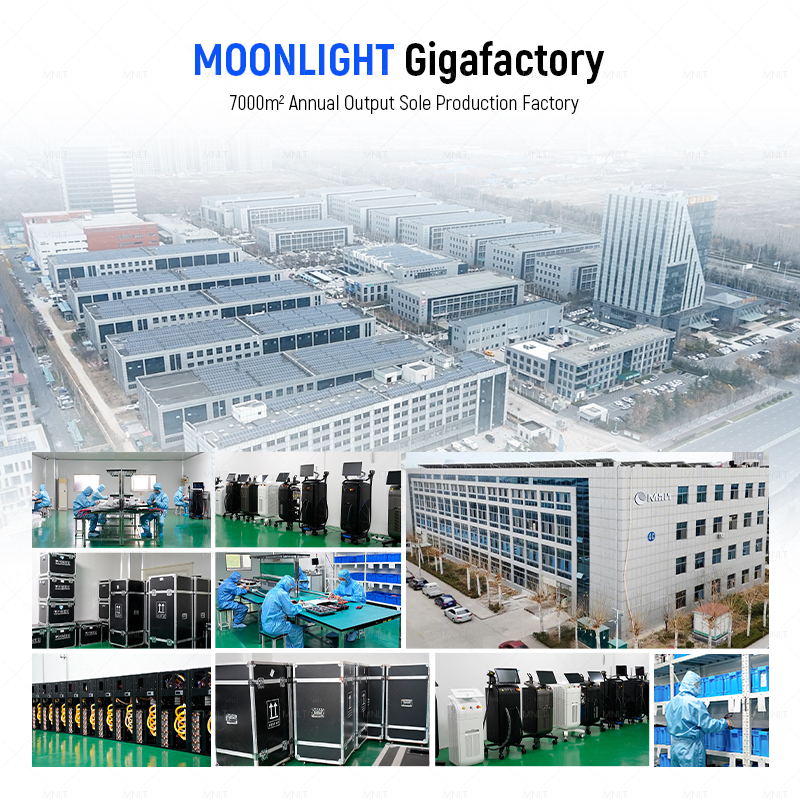
Shandong Moonlight Electronic Technology Co., Ltd. is headquartered in Weifang, China, known as the World Kite Capital.
With 18 years of experience in the professional beauty and aesthetic equipment industry, the company focuses on research, development, production, sales, and after-sales service for international businesses.
Its business capabilities include:
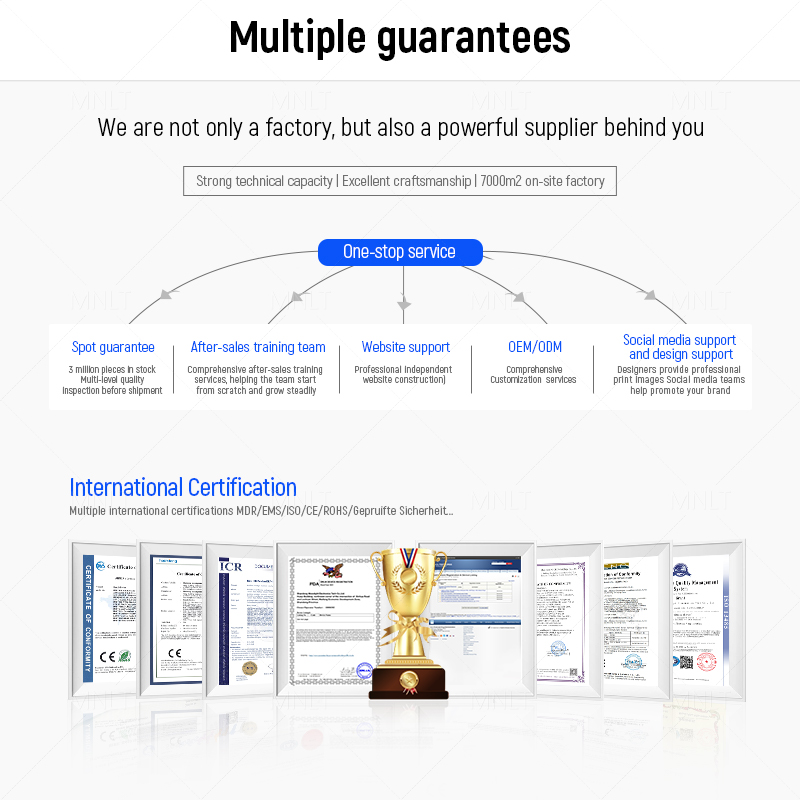
- Internationally standardized dust-free production facilities
- OEM/ODM customization options
- Free logo design for eligible projects
- ISO, CE, and FDA-related certifications and documentation, subject to verification of the specific product and certificate scope
- Two-year warranty, subject to applicable terms
- 24-hour after-sales support
- Product testing before shipment
- Technical assistance and operating guidance
For rehabilitation equipment buyers, reliable technical support, clear product specifications, and access to replacement accessories are important parts of the purchasing decision.
OEM/ODM options are also available for businesses interested in developing customized equipment for their own markets.
How to Choose the Right TECAR Therapy Equipment
Not all TECAR devices have identical output characteristics or electrode configurations.
Before purchasing, professional buyers should consider several factors.
1. CAP and RET Modes
Confirm whether the system supports both capacitive and resistive energy transfer and whether the electrodes are designed for different applications.
2. RF Operating Frequency
Ask for the actual operating frequency rather than assuming every TECAR device uses the same frequency.
3. Power Output and Energy Adjustment
Review the rated RF output, available intensity settings, and the range of adjustable parameters.
4. Electrode Design
Check the ceramic insulation of the CAP electrode, the conductive structure of the RET electrode, available electrode sizes, and compatible accessories.
5. Return Electrode Configuration
Confirm how the return plate is positioned and how the electrical circuit is completed during treatment.
6. Treatment Compatibility
Ask whether the device supports the manual treatment techniques and operating methods relevant to your clinical practice.
7. Safety and Contraindications
Request the operating manual, safety instructions, and contraindication list. Treatment suitability should be assessed individually, particularly for people with implanted electronic devices, pregnancy, active thrombosis, bleeding conditions, active infection, or malignancy in the treatment area.
8. Technical Support and Training
Check whether product training, treatment guidance, warranty coverage, and replacement accessories are available.
Having these details in advance makes it easier to compare different TECAR systems and select one that fits your clinical workflow.
Frequently Asked Questions About TECAR Therapy
1. What does TECAR stand for?
TECAR stands for Transfer of Energy Capacitive and Resistive. It is a radiofrequency-based physical therapy modality that uses capacitive and resistive electrodes to deliver electrical energy into biological tissue.
2. How does TECAR therapy work?
TECAR delivers high-frequency alternating current between an active electrode and a return electrode. The electrical interactions within the tissue generate heat, which can influence local temperature and physiological responses.
3. What is the difference between CET and RET?
CET uses an insulated or ceramic active electrode and is commonly selected for soft-tissue and muscle applications. RET uses a conductive electrode and is often used for selected deeper or denser tissue structures, including tendons and ligaments.
4. Is TECAR therapy the same as TENS?
No. TECAR uses radiofrequency energy to generate endogenous tissue heating. TENS uses electrical stimulation through surface electrodes to influence pain signaling. They have different operating principles and applications.
5. Can TECAR therapy be used for sports injuries?
TECAR may be incorporated into selected sports rehabilitation programs involving muscle and tendon discomfort, joint mobility, and soft-tissue conditions. The treatment approach should be based on clinical assessment and combined with appropriate rehabilitation exercises.
6. Can TECAR be combined with massage and manual therapy?
Yes. One of the practical advantages of TECAR is that RF energy can be delivered while the therapist performs selected manual techniques, including massage, passive movement, muscle activation, and soft-tissue mobilization, according to the equipment instructions.
7. Can TECAR therapy help with lower back and neck pain?
TECAR has been investigated in musculoskeletal pain conditions, including spinal and lower-back-related problems. It may be considered as an adjunct to exercise and other rehabilitation methods, but outcomes vary depending on the underlying condition and treatment protocol.
8. Is TECAR therapy suitable for post-operative rehabilitation?
It may be considered in selected post-operative rehabilitation programs after the surgical team or responsible clinician confirms that the treatment area is suitable. It should not be applied indiscriminately to fresh surgical wounds or active complications.
9. Is TECAR therapy suitable for everyone?
No. Certain conditions may require avoidance or special precautions, including pregnancy, implanted electronic devices, active thrombosis, active bleeding, infections, and malignancy in the treatment area. The complete contraindication list should be reviewed in the device manual, with individual screening performed before treatment.
10. Does TECAR therapy replace physiotherapy exercises?
No. TECAR is generally used as a complementary physical modality. Therapeutic exercise, movement training, manual therapy, and patient education remain important parts of many rehabilitation programs.
11. What should I consider before buying a TECAR machine?
Review its CET and RET modes, operating frequency, RF output power, electrode construction, return plate design, treatment controls, safety functions, accessories, warranty, and technical support.
12. Can I customize TECAR equipment with my own brand?
MNLT LASER offers OEM/ODM customization and logo design options for eligible projects. Buyers can discuss product configuration, branding, packaging, and order requirements when requesting a quotation.
Request a Quote for TECAR Therapy Equipment
As rehabilitation practices continue to explore different physical therapy technologies, TECAR offers a useful approach to combining capacitive and resistive radiofrequency energy with hands-on treatment.
With two complementary electrode modes and the flexibility to integrate manual techniques, TECAR equipment can be considered for physiotherapy clinics, sports rehabilitation facilities, chiropractic practices, and professional wellness centers.
Whether you are upgrading an existing rehabilitation facility or sourcing equipment for international distribution, choosing the right TECAR system starts with understanding its operating modes, output specifications, and treatment compatibility.
Contact MNLT LASER to request:
- Complete TECAR equipment specifications
- CET and RET electrode configurations
- RF frequency and output power details
- Available treatment probes and accessories
- Operating manuals and training information
- OEM/ODM and private-label options
- Wholesale pricing and shipping information
- Warranty and after-sales support details
When submitting your inquiry, include your country, clinic or company name, professional field, intended treatment applications, and estimated order quantity. This will help the sales team prepare a quotation suited to your requirements.
Looking for professional TECAR therapy equipment for your rehabilitation clinic or distribution business? Contact MNLT LASER today to discuss available configurations and request a personalized quotation.
Post time: Nov-24-2026


